 10 years of water leakage warranty for Regrouting showers.

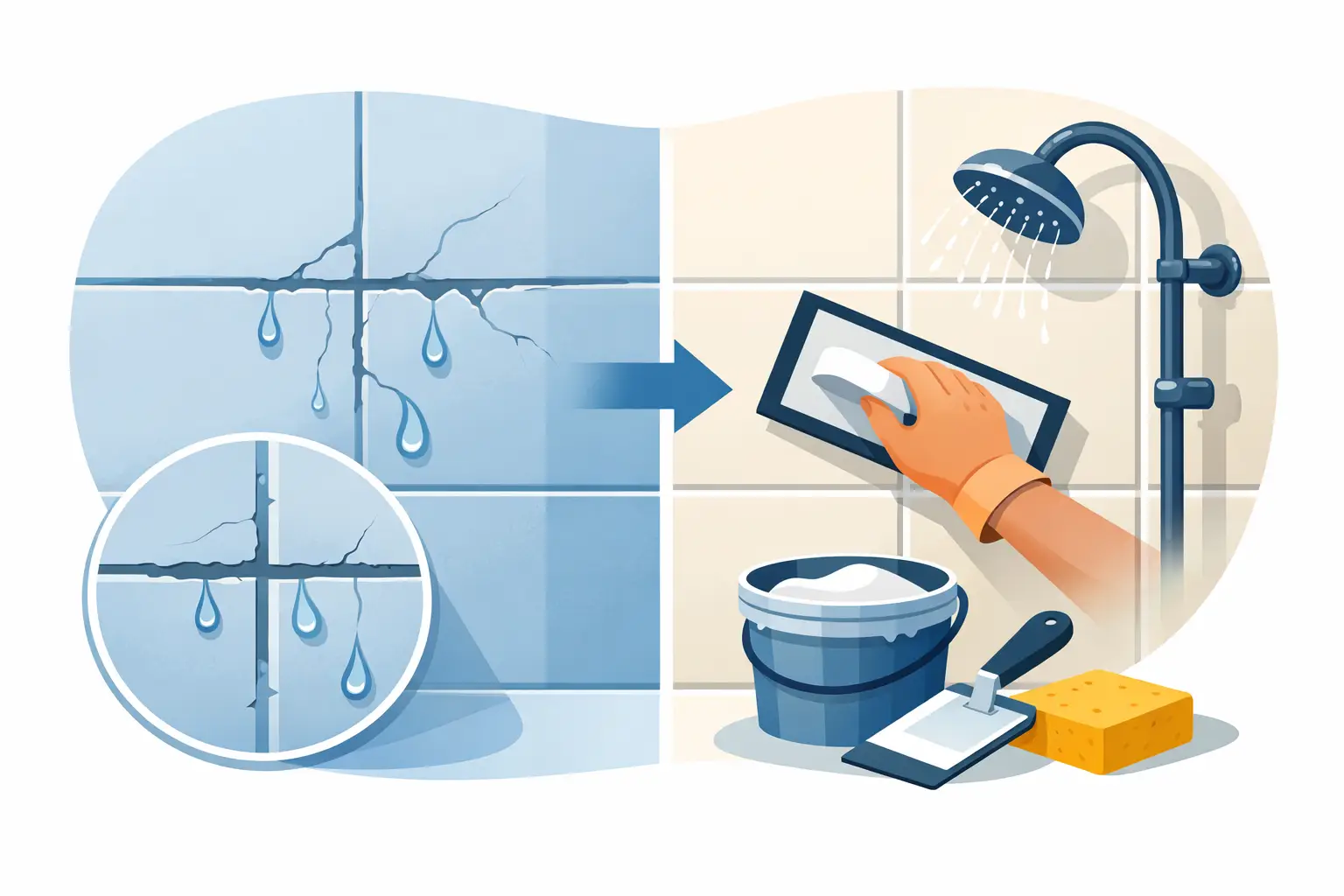
Water stains on the ceiling below, peeling paint near the shower recess, or that persistent damp smell in the bathroom – these are usually the moments people start asking, can regrouting stop shower leaks? The short answer is yes, sometimes. But the real answer depends on where the water is escaping, how the shower was built, and whether the grout failure is the actual cause or just the first visible symptom.
Regrouting can be a highly effective repair when leaking is caused by cracked, porous, missing, or deteriorated grout joints. It restores the integrity of the tiled surface, improves hygiene, and gives the shower a cleaner, sharper finish. But if the leak is coming from failed waterproofing, movement in the substrate, plumbing issues, or damaged sealant joints, regrouting alone will not solve it for long.
Can regrouting stop shower leaks if grout is the problem?
In many showers, grout is the weak point that starts to show age first. Over time, grout can crack, shrink, become powdery, or absorb moisture. Once those joints open up, water has an easier path behind the tiles and into surrounding surfaces.
If the tiles themselves are still well bonded, the substrate is sound, and the waterproofing system underneath has not been compromised, regrouting can absolutely stop a shower leak. In these cases, the repair works because it closes the pathways that water was using to get through the tile assembly. It also helps prevent further moisture build-up, mould growth, and cosmetic damage.
That said, grout is not a substitute for waterproofing. It is part of the protective system, not the entire system. A well-executed regrouting job can significantly improve water resistance, but it needs to be carried out properly, with careful removal of failed material and attention to every joint, corner, and junction.
When regrouting will not fix a leaking shower
This is where experience matters. A shower can appear to be leaking because the grout looks poor, but the real issue may sit behind the tile line.
If the waterproof membrane has failed, water may already be travelling beneath the tiles and into adjacent walls or flooring. In that situation, fresh grout may improve the appearance, but it will not stop moisture moving through a damaged substrate. The same applies if there are plumbing leaks in the wall cavity or floor waste area.
Movement is another common issue. If the shower base, walls, or surrounding structure are shifting, grout will keep cracking because the surface beneath it is unstable. Regrouting over movement without addressing the cause usually delivers a short-lived result.
Silicone sealant failure can also be mistaken for grout failure. Internal corners, wall-to-floor junctions, and around fittings are areas where flexible sealant does the work that grout cannot. If these joints are split, mouldy, or lifting away, water can escape even when the grout lines still look acceptable.
Signs your shower leak may be solved by regrouting
A close inspection usually tells the story. If you can see missing grout, hairline cracks throughout the joints, crumbling sections, or obvious porosity where the grout is soaking up water, regrouting is often a practical and effective repair.
Other encouraging signs include tiles that still feel solid under hand pressure, no major drummy or loose sections, and leak symptoms that seem localised rather than widespread. For example, if the issue is confined to one shower recess and became noticeable as the grout visibly deteriorated, there is a stronger chance that professional regrouting will resolve it.
The age of the shower also matters. In older bathrooms, grout and sealant naturally wear down well before tiles themselves need replacement. A targeted restoration can extend the life of the shower significantly without the disruption and cost of a full renovation.
Signs the leak is probably deeper than the grout
If water damage is spreading outside the shower area, lifting skirtings, affecting adjacent rooms, or staining lower levels, that points to a more serious moisture path. Likewise, if tiles are loose, hollow sounding, or visibly moving, the system underneath may have broken down.
Persistent mould returning quickly after cleaning can also indicate trapped moisture behind the surface rather than a simple maintenance issue. And if the shower has already been regrouted before but continues to leak, the problem likely sits beyond the grout joints.
A proper diagnosis is always worth it. It prevents spending money on a surface repair when the shower needs structural attention.
Why professional shower regrouting makes a difference
There is a big difference between adding fresh grout over tired joints and carrying out a proper shower restoration. Effective regrouting starts with removing the failed grout to an appropriate depth without damaging the surrounding tile edges. The area then needs to be cleaned thoroughly so the new material can bond correctly.
This process also creates the opportunity to identify hidden issues. A trained specialist can often spot signs of movement, failed silicone, poor falls, damaged tile bedding, or underlying moisture that a quick cosmetic patch would miss.
The finishing matters as well. Clean, even joints improve more than water resistance. They lift the entire appearance of the bathroom. Sharp grout lines, neat silicone work, and a fresh, hygienic finish can make an older shower feel well cared for again.
For many property owners, that combination of performance and presentation is exactly the point. A shower should not only stop leaking. It should look right, clean easily, and stay durable under everyday use.
Can regrouting stop shower leaks for the long term?
It can, provided the repair matches the cause of the leak. When grout deterioration is the genuine source of water ingress and the work is completed with precision, regrouting can deliver long-term protection. This is especially true when paired with new silicone in movement joints and careful preparation throughout the shower recess.
Long-term performance also depends on maintenance. Harsh chemical cleaners, neglected mould growth, and ongoing movement in the structure can shorten the life of grout and sealant. On the other hand, a professionally restored shower that is cleaned appropriately and monitored for early signs of wear can remain watertight for years.
This is why warranty-backed workmanship matters. It reflects confidence not only in the materials used, but in the quality of the diagnosis and the care taken during installation. At A1 Grouting & Tiling, that standard is central to how shower regrouting should be approached – not as a cover-up, but as a durable repair with a finish that holds its value.
What to expect from a proper assessment
Before deciding whether regrouting is the answer, the shower should be assessed as a whole system. That includes the condition of the grout lines, silicone joints, tiles, waste area, and any visible signs of moisture migration outside the shower.
A good assessment should also consider how the leak presents. Does it happen only during shower use? Does moisture appear on the opposite side of the wall? Is there damage at floor level or on the ceiling below? Those details help separate grout failure from plumbing or membrane issues.
For homeowners, landlords, and property managers, this step saves guesswork. It leads to the right scope of work the first time, which is always better than trial-and-error repairs.
The practical answer
So, can regrouting stop shower leaks? Yes – when failed grout and sealant joints are allowing water through, and when the rest of the shower structure is still sound. No – when the true cause is failed waterproofing, structural movement, or plumbing.
The key is not to treat every leaking shower as the same problem. Some need a careful restoration. Some need a deeper rebuild. The right repair comes from understanding how water is moving and which part of the shower system has actually failed.
If your shower is showing the early signs – cracked grout, stained joints, mould build-up, or dampness around the recess – acting early usually gives you better options. A precise repair completed at the right time can protect the bathroom, improve the finish, and spare you the cost of more extensive damage later on.
A leaking shower rarely fixes itself, but the right repair at the right stage can make all the difference.