 10 years of water leakage warranty for Regrouting showers.

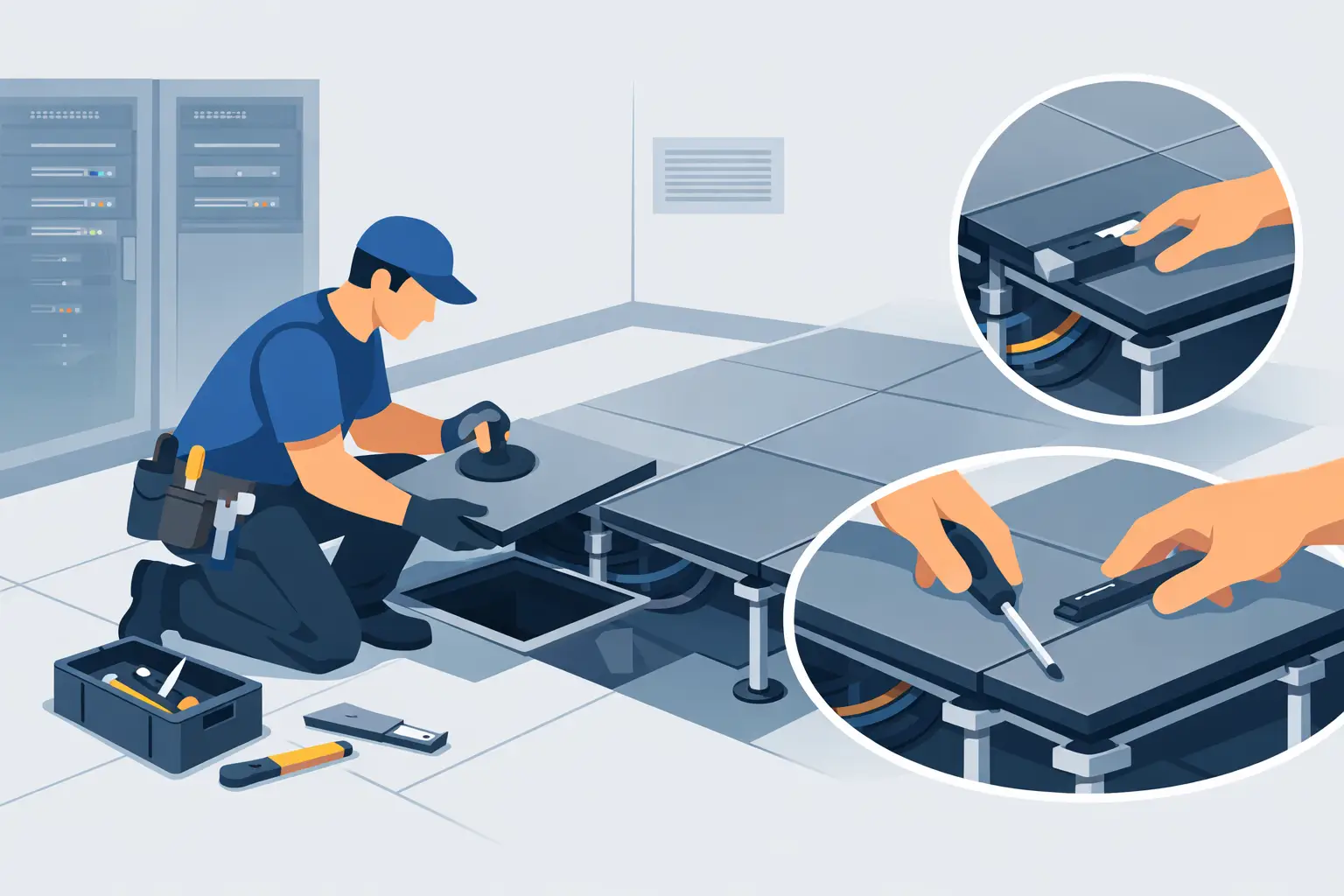
A floor tile that suddenly sounds hollow, sits proud of the surrounding surface, or lifts at the edge is never just a cosmetic issue. If you are searching for how to fix raised floor tiles, the real job is not simply pressing them back down. It is identifying why they moved in the first place, then repairing the tile bed, grout lines and surrounding area with enough precision to stop the problem returning.
Raised tiles can appear in kitchens, bathrooms, living areas, balconies and commercial spaces. Sometimes it starts with one loose tile. Sometimes an entire section tents or lifts in a line. Either way, the cause matters. A rushed patch-up might make the floor look better for a few weeks, but if the substrate, adhesive bond or movement issue is still there, the repair will not hold.
How to fix raised floor tiles without making it worse
The first decision is whether the tile can be reset or whether the section needs to be removed and relaid properly. That depends on how badly the tile has lifted, whether it is cracked, what condition the adhesive is in, and whether there is movement underneath.
If the tile is intact and only slightly drummy or loose, a localised repair may be possible. If it has lifted significantly, cracked through the body, or pushed neighbouring tiles out of alignment, the safer approach is to remove the affected area and rebuild the bond from the base up. This is where many DIY repairs go wrong. People focus on the visible tile and ignore the substrate, old adhesive and movement joints.
Before any repair starts, the area should be inspected carefully. Look for cracked grout, hollow sounds when tapped, lipping between tiles, moisture staining, and signs the floor has expanded with nowhere to move. In older homes and some commercial settings, you may also find bond failure caused by poor surface preparation or outdated adhesive products.
Start by finding the cause
Raised floor tiles rarely happen for one reason alone. More often, it is a combination of stress, moisture and bond failure. In Australian conditions, temperature movement can be a major factor, especially on sun-exposed floors, large open-plan areas, and balconies. Tiles and substrates expand and contract. If there are no proper movement joints, pressure builds until the tile assembly gives way.
Moisture is another common culprit. Water can weaken the adhesive bed, affect unstable substrates, and create repeated expansion and contraction beneath the tiled surface. Bathrooms, laundries, entryways and balconies are frequent problem areas because the floor is exposed to both moisture and daily foot traffic.
Then there is installation quality. If the original tiling was laid over dust, old residue, uneven screed or a moving substrate, the adhesive may never have achieved a proper bond. In those cases, resetting one tile may only delay a larger failure nearby.
Common causes of raised floor tiles
Poor adhesive coverage is high on the list. Large-format tiles in particular need proper coverage and the right adhesive for the substrate and environment. If the adhesive was dabbed instead of fully combed, or if the tile was not bedded correctly, hollow voids can form under the tile. Those weak points eventually fail.
Lack of movement joints is another major issue. Tiled floors need room to move at perimeters, transitions and larger spans. When that allowance is missing, pressure can force tiles upward. This is often called tenting, and it can happen suddenly.
Substrate movement also matters. Timber subfloors, poorly cured screeds, cracked concrete and structural settlement can all transfer stress into the tiled finish. In wet areas, failed waterproofing or long-term leaks can make things worse.
Signs the repair needs more than one tile replaced
A single lifted tile does not always mean a small repair. If adjacent tiles sound hollow, grout is cracking in a line, or the floor feels uneven underfoot, there may be a wider bond failure. The visual finish is only part of the story. A quality repair should restore stability, alignment and durability, not just appearance.
This is particularly important in high-traffic homes, rental properties and commercial spaces where the floor needs to perform well every day. A neat-looking repair that leaves movement underneath is not a good result.
The right repair method depends on the failure
If the affected tile can be salvaged, it should be removed carefully to avoid damaging neighbouring pieces. The old grout around the tile is usually cut out first. Then the tile is lifted without putting excess pressure on the surrounding layout. If it cracks during removal, a matching replacement tile will be needed.
Once the tile is out, the adhesive bed beneath it needs to be assessed. Loose, brittle or uneven adhesive must be removed completely. Leaving contaminated or failed material behind is one of the fastest ways to ruin a repair. The substrate should then be cleaned, checked for level, and inspected for cracks, moisture or instability.
If there is a substrate issue, that has to be addressed before the tile goes back down. This may involve crack isolation, levelling, drying out the area, or rectifying movement. Only then should a suitable adhesive be applied and the tile reset with correct coverage and spacing.
After the tile is laid, it must be allowed to cure properly before grouting. Grout is not there to hold the tile down. Its role is to finish and protect the joints while allowing the tiled surface to work as a complete system. In some cases, flexible sealant at movement points is just as important as the grout itself.
When full replacement is the better option
Sometimes the cleanest result comes from removing and relaying a section rather than attempting a spot fix. This is often the case where multiple tiles have lifted, the pattern has shifted, or the floor has lost alignment. It is also the better option where water damage or substrate movement is affecting a broader area.
A full sectional repair allows the tile bed to be rebuilt properly, movement joints to be introduced where needed, and the finish to be brought back to a consistent level. For design-led interiors, that matters. A floor should feel solid underfoot and look clean, even and intentional from every angle.
Can you fix raised floor tiles yourself?
Minor tile issues sometimes look simple, but raised tiles are not usually a surface-level problem. If the cause is unknown, a DIY fix can trap moisture, leave unstable adhesive in place, or create a trip hazard through poor levelling. Matching grout colour, tile height and joint width also takes more care than most people expect.
There is also the question of warranty and long-term performance. In bathrooms, laundries and balconies, disturbing tiled surfaces without understanding waterproofing or movement control can create much larger repair costs later on.
For homeowners, landlords and property managers, the smarter approach is usually to have the area assessed properly. A precise repair costs less than a recurring problem. And if the floor is part of a renovation or presentation upgrade, the finish quality matters just as much as the technical fix.
How to prevent raised floor tiles coming back
Prevention starts with proper preparation and the right materials for the location. That means a stable substrate, suitable adhesive, correct tile coverage, and movement joints placed where the floor needs them. It also means treating moisture seriously. Wet areas and external spaces need a system that manages water properly, not just a surface that looks tidy on handover day.
Regular maintenance helps too. Keep an eye on cracked grout, loose edges and changes in floor level. If one tile starts sounding hollow, do not ignore it. Early intervention can stop a local fault becoming a larger relaying job.
In professionally repaired floors, detail is what delivers the lasting result. Clean removal, proper surface preparation, accurate reset, well-finished grout lines and a consistent visual match all matter. That is the difference between a quick patch and a repair that genuinely restores the floor.
Where raised tiles affect a feature floor, open-plan living area or commercial entry, the standard should be higher again. The floor is not only there to be walked on. It shapes how the whole space presents. Precision workmanship protects both function and finish.
If you are weighing up how to fix raised floor tiles, the best next step is to look past the lifted edge and ask what caused the movement underneath. Once that is handled properly, the repair has every chance of looking right, feeling solid and lasting the way it should.