 10 years of water leakage warranty for Regrouting showers.

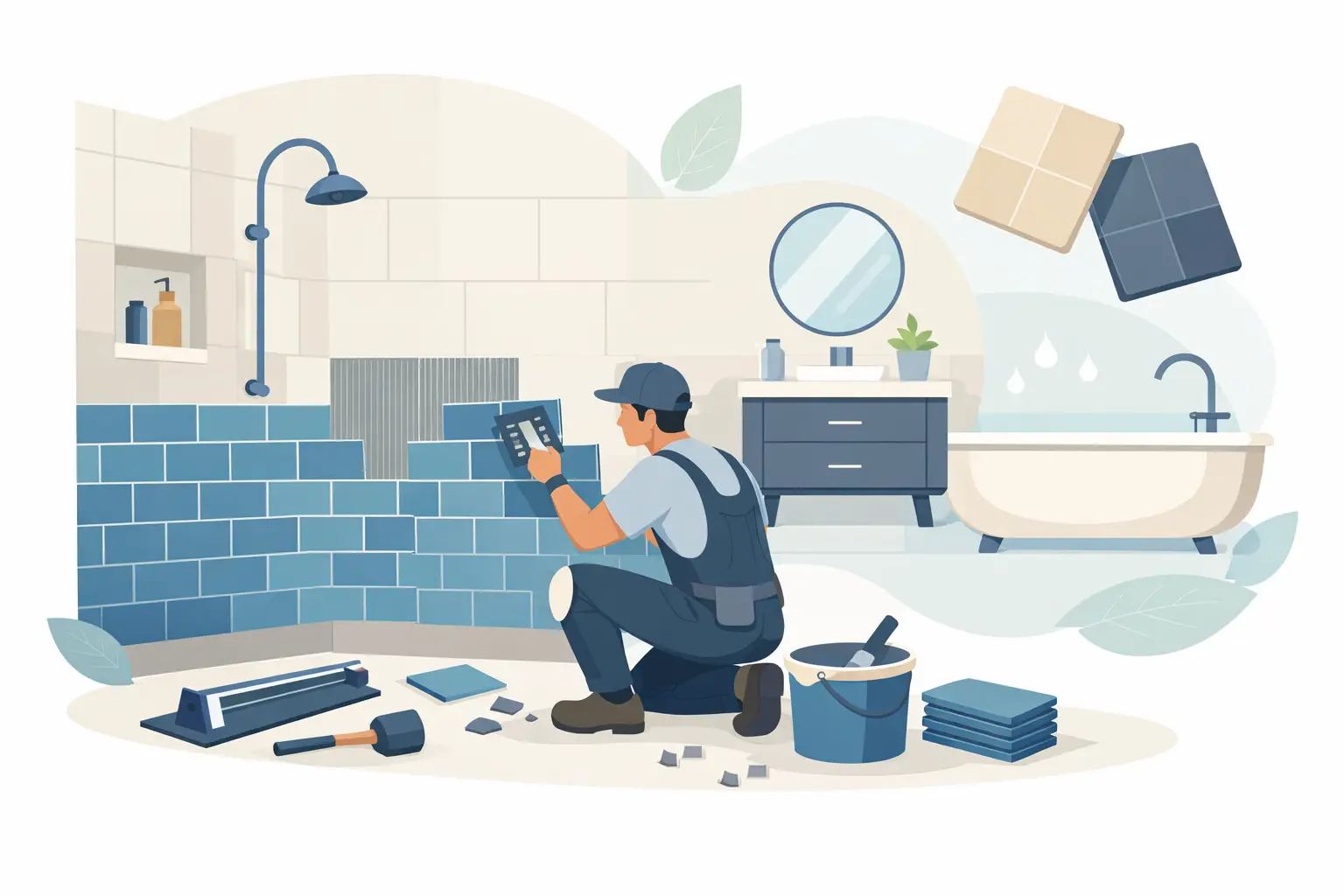
A bathroom rarely fails all at once. More often, it starts with stained grout lines, a loose tile near the shower, or a layout that makes the room feel smaller than it is. That is exactly where a bathroom renovation tiling guide becomes useful – not as design fluff, but as a practical way to make decisions that affect waterproofing, cleaning, durability and the finished look every day.
Good tiling does more than cover a surface. It sets the visual tone of the room, protects the structure underneath and determines how well the bathroom will wear over time. A clean, precise tile installation can make even a modest bathroom feel refined. Poor tile selection or rushed installation can do the opposite, no matter how expensive the fittings are.
What a bathroom renovation tiling guide should help you decide
Most people begin with tile colour or pattern, but the better starting point is performance. In a bathroom, every tile choice sits alongside moisture exposure, slip resistance, cleaning demands and movement in the building. The right tile for a feature wall may not be the right tile for the floor. A beautiful finish still needs to handle steam, splashing and regular use.
This is also where renovation budgets can get distorted. Saving money on installation details often costs more later, especially when uneven alignment, poor grout selection or inadequate preparation lead to rework. A bathroom should look polished on day one and remain sound years later. That comes down to workmanship as much as product selection.
Start with the room, not the sample board
Before choosing tiles, assess the bathroom itself. Room size, natural light, ceiling height and shower placement all influence what will work visually and practically. Large-format tiles can make a compact bathroom feel calmer and less busy because there are fewer grout lines. That same tile, however, may be less suitable in a tight space with multiple angles and awkward cuts.
Wall-to-floor continuity can create a streamlined finish, but it depends on the tile type and slip rating. On floors, safety matters. In wet areas, the tile needs enough grip for everyday use without becoming difficult to clean. Heavily textured finishes may improve slip resistance, but they can also hold soap residue and grime more easily. The balance is not always obvious until you think beyond the showroom display.
If the goal is a premium result, layout planning deserves serious attention. Tile placement should work with the room’s focal points – vanities, niches, mirrors and shower screens – rather than leaving small cuts in highly visible areas. Symmetry is not always possible, but it should be considered early, not after the adhesive is mixed.
Choosing the right tiles for a bathroom renovation
Porcelain remains one of the strongest all-round options for bathroom renovations. It is dense, durable and well suited to floors and walls. Ceramic can also work well on walls and in lighter-duty areas, often at a lower price point, but it may not deliver the same level of resilience on busy floors.
Natural stone brings character and a high-end appearance, yet it comes with more maintenance. Some stone requires sealing and more careful cleaning, which does not suit every household or rental property. If the priority is low maintenance with a refined finish, many homeowners now choose porcelain tiles that imitate stone, concrete or terrazzo.
Tile size changes the feel of the space. Smaller tiles are useful for shower floors because they follow falls more easily and offer more grip through additional grout joints. Larger tiles create a broader, more contemporary look on walls and open floors. Neither is universally better. It depends on where the tile is being used and how much visual movement you want in the room.
Bathroom renovation tiling guide to layout and pattern
The tile itself matters, but the layout often makes the bigger difference. A standard stack bond can feel clean and architectural. A brick pattern adds familiarity and softness. Herringbone or feature patterns can lift a bathroom visually, though they require more precision and usually more cutting, labour and waste.
Feature walls are popular, but restraint usually delivers the stronger result. One patterned wall or niche can add detail without making the room feel cluttered. In smaller bathrooms, too many competing finishes can reduce the sense of space. Precision is what gives decorative tiling its impact. If lines drift or corners are untidy, the pattern draws attention for the wrong reasons.
Tile trim selection also deserves consideration. Edge finishes should look intentional and suit the overall palette. Whether the project uses metal trim, mitred edges or another finish, the detail should support a crisp, lasting result. These are the touches that separate a basic renovation from a professionally resolved one.
Preparation, waterproofing and substrate quality
No bathroom tiling project succeeds on surface appearance alone. The substrate beneath the tile must be sound, level and suitable for wet-area installation. If walls are out of plumb or the floor has movement, the finished tilework will reflect those issues. Sometimes the smartest step in a renovation is correcting what sits underneath before a single tile goes on.
Waterproofing is not the place for shortcuts. In showers and wet zones, the integrity of the waterproofing system has direct consequences for the room’s longevity and the property around it. Tiling may be the visible finish, but it works as part of a broader system. If any layer is compromised, leaks, swelling, mould and structural damage can follow.
That is why experienced installers pay close attention to falls, drainage points, junctions and penetrations. A bathroom should drain properly, feel solid underfoot and remain easy to maintain. Precision behind the scenes protects the finish you can see.
Grout is not an afterthought
Grout has a major effect on both appearance and maintenance. The colour can sharpen a tile pattern, soften it or help create a more monolithic look. A high-contrast grout can be striking, but it also highlights every variation in spacing. A closer colour match tends to feel more refined and forgiving.
Performance matters just as much. In bathrooms, grout needs to resist moisture, staining and mould growth as effectively as possible. The right product depends on tile type, joint width and the conditions in the room. When grout begins to crack, discolour or break down, the bathroom quickly starts to look tired, even if the tiles themselves are still in good condition.
Silicone joints are equally important around movement areas and transitions. These should be neat, durable and correctly placed. Messy sealing can spoil an otherwise quality installation, while poor sealing can lead to water ingress over time.
Renovating for style versus renovating for longevity
There is always a temptation to chase the current look. Sometimes that works. Sometimes it dates quickly. The safest path is usually a timeless base with selective detail. Neutral field tiles paired with a more expressive niche, vanity or fitting often provide longer visual value than committing every surface to a passing trend.
For landlords and property managers, durability and ease of cleaning may take priority over highly customised finishes. For owner-occupiers, design expression may carry more weight. Neither approach is wrong. The key is choosing materials and layouts that suit how the bathroom will actually be used.
This is where a specialist tiling contractor adds value. The best results come from combining design awareness with technical discipline. A polished bathroom is not just attractive – it is aligned properly, sealed correctly, easy to clean and built to perform.
Common mistakes that cost more later
Many bathroom issues begin with decisions that seemed minor at the time. Selecting tiles before confirming the layout can create awkward cuts. Choosing wall tiles for a floor application can compromise safety or durability. Ignoring grout and silicone quality can shorten the life of the renovation.
Another common mistake is underestimating how much finish quality influences the final impression. Tapware and vanities matter, but if tile lines wander or corners look rough, the whole room feels less considered. Clean lines, consistent joints and precise finishing are what make a bathroom feel complete.
Homeowners also sometimes assume retiling is always required. In some bathrooms, targeted repairs, regrouting or shower restoration may be enough to improve appearance and function without a full strip-out. In others, especially where waterproofing or substrate problems exist, a full renovation is the better long-term choice. It depends on the condition of the room, not just the visible surface.
Getting the finish right the first time
A successful bathroom renovation is built on clear choices and careful execution. Tile selection should support the room’s use, the layout should feel balanced, and every installation detail should contribute to durability as well as appearance. That is the standard A1 Grouting & Tiling believes a bathroom should meet – clean, precise and made to last.
If you are planning your renovation, look beyond what appears stylish in a display and focus on what will still look sharp, stay sound and clean easily years from now. The best tiled bathrooms are the ones that feel effortless once finished, because every detail was handled properly before the room was handed back.