 10 years of water leakage warranty for Regrouting showers.

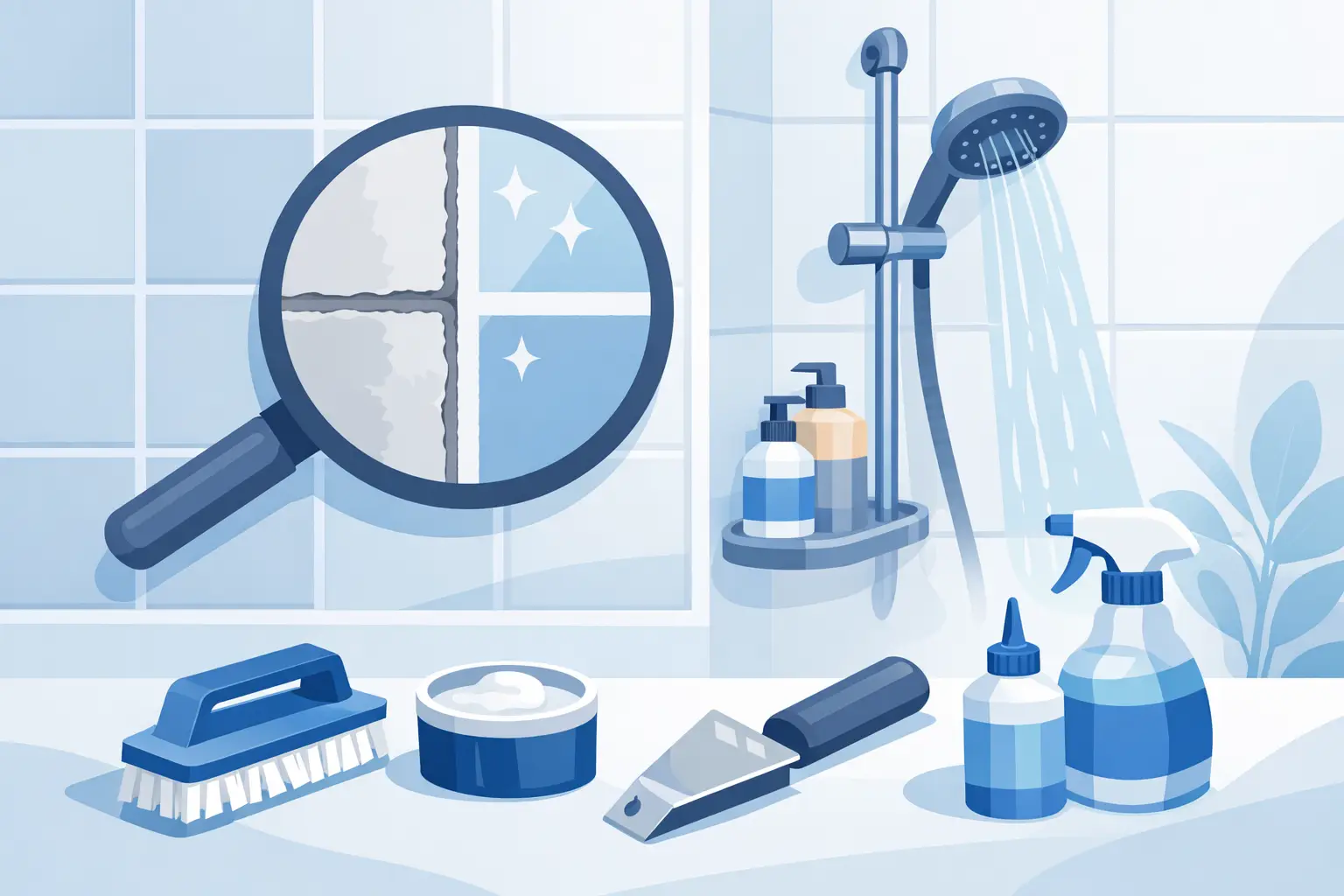
A shower can look tired long before the tiles themselves are worn out. In most bathrooms, the real problem sits in the joints – stained grout, cracked lines, mould that keeps returning, or gaps that let moisture travel where it should not. That is why the best shower grout solutions are not just about appearance. They are about protecting the structure behind the tiles, improving hygiene, and restoring a clean, finished look that lasts.
For homeowners, landlords, and property managers, the challenge is knowing which fix is actually worth doing. A quick scrub may lift surface grime. A sealer may buy time. But once grout starts breaking down or water is finding its way behind the tiled surface, the right solution needs to go deeper.
What the best shower grout solutions actually solve
Shower grout has a hard job. It sits in a high-moisture environment, deals with regular temperature changes, and is constantly exposed to soaps, shampoos, body oils, and cleaning products. Over time, even a well-finished shower can show signs of stress.
The most common issues are discolouration, mould growth, crumbling joints, hairline cracks, missing sections of grout, and damp smells that suggest moisture is lingering where it should not. In older bathrooms, you may also see movement in corners or along wall-to-floor junctions where the original sealant has failed.
These symptoms matter because grout is not just a cosmetic filler. It helps stabilise tiled surfaces and protect the substrate from ongoing moisture exposure. When grout deteriorates, the shower becomes harder to clean, less attractive, and more vulnerable to water damage.
Choosing the right shower grout fix
Not every shower needs a full strip-out and renovation. In many cases, the best result comes from identifying the actual cause of the problem and applying the right level of repair. That might be maintenance, targeted remediation, or full regrouting.
When cleaning is enough
If the grout is structurally sound and the issue is mostly soap scum, light staining, or surface mildew, a professional clean may be enough to improve the appearance. This is the most suitable option when grout lines are still firm, evenly packed, and free from cracks or erosion.
The limitation is that cleaning cannot fix damaged grout. If the joints are porous, broken, or separating from the tiles, no cleaning product will restore their performance. It may look better for a short time, but the underlying problem remains.
When sealing makes sense
Sealing can be a smart preventative measure for sound grout in a shower that is otherwise in good condition. A quality sealer helps reduce moisture absorption and can make the surface easier to maintain. It is especially useful after new grout has cured properly or after professional restoration work.
Sealing is often misunderstood as a repair product. It is not. A sealer protects intact grout – it does not rebuild deteriorated joints or stop active leaks caused by failed grout or silicone.
When repairs are the better option
Localised repair suits showers where only a few joints have failed and the rest of the installation remains stable. This might involve removing loose grout, replacing damaged sections, and renewing silicone in corners or movement areas.
This approach can be cost-effective, particularly in bathrooms that are otherwise in strong condition. The trade-off is consistency. If the shower has widespread wear, patch repairs may create an uneven finish or lead to repeated call-backs as more areas begin to fail.
When full regrouting is the best shower grout solution
For showers with broad staining, recurring mould, loose or crumbling joints, or signs of water ingress, full regrouting is usually the most reliable answer. This process removes failed grout and replaces it with fresh material, often alongside new silicone sealing in all critical junctions.
A proper regrout can transform the entire shower without the cost and disruption of replacing the tiles. It restores clean lines, improves waterproof performance at the surface, and gives the bathroom a sharper, more refined finish. For many properties, this is where value, appearance, and practicality meet.
Best shower grout solutions by problem type
The right treatment depends on what you are seeing in the shower day to day.
If the grout is darkened but still solid, professional cleaning followed by sealing may be enough. If mould returns quickly even after cleaning, there is often trapped moisture, degraded grout, or failed silicone involved. In that case, surface treatment alone will not hold up.
If grout is cracking or dropping out, replacement is the safer path. Cracks allow water to sit in places it should not, and once that cycle starts, surrounding sections often weaken too. If the shower smells musty, shows persistent dampness around adjoining walls, or leaks into nearby areas, the issue should be assessed promptly. At that point, a cosmetic fix is not enough.
Why DIY grout fixes often fall short
DIY products can be useful for basic upkeep, but they rarely deliver a lasting result when the shower has genuine grout failure. Grout paint may brighten tired joints, but it sits over the problem rather than solving it. Off-the-shelf repair compounds can also struggle to bond properly if old grout has not been removed to the right depth.
There is also the finish to consider. Uneven joints, mismatched colour, rough edges, and poorly applied silicone can make a shower look patched rather than restored. In a room where cleanliness and presentation matter, detail counts.
Professional regrouting has an advantage because the preparation is more thorough, the products are selected for wet-area performance, and the finish is completed with precision. That gives the shower a cleaner look and a more dependable result over time.
What quality workmanship changes
The difference between an average grout job and a well-executed one is easy to see after a few months. Precision removal avoids unnecessary tile damage. Correct joint preparation helps new grout bed in properly. Clean lines and accurate silicone application create a sharper finish and reduce weak points where moisture can build up.
This is where craftsmanship matters. A shower is one of the most used and moisture-exposed areas in any property. The work needs to perform, but it also needs to look right. Fresh grout should complement the tile layout, restore definition to the pattern, and make the whole shower feel cleaner and more current.
For clients who want both function and finish, specialist regrouting offers a practical alternative to a full bathroom renovation. It addresses deterioration directly while preserving the visual value of the existing tiled space.
How to know it is time to call a specialist
There are a few signs that usually mean maintenance has passed its limit. If you are cleaning the same mould every week, if grout feels sandy or loose to the touch, if corner seals are peeling away, or if water is escaping the shower area, it is time for a proper assessment.
The age of the bathroom also matters. Older showers often have layers of temporary fixes that hide ongoing deterioration underneath. Reapplying silicone over failed joints or painting over stained grout may improve the look briefly, but it rarely improves the condition.
A specialist can determine whether the shower needs targeted repair or complete regrouting, and that advice matters. The best outcome is not always the biggest scope of work. It is the solution that matches the condition of the shower and delivers durable, clean-lined results.
Making the right investment for your bathroom
When comparing the best shower grout solutions, the real question is not which product sounds strongest on the label. It is which approach will restore performance, improve hygiene, and hold its finish under daily use.
For some showers, a clean and reseal is the right short-term step. For many worn or leaking showers, professional regrouting is the smarter investment because it deals with the failure at its source. It lifts presentation, helps protect the surrounding structure, and extends the life of the bathroom without the cost of a full rebuild.
At A1 Grouting & Tiling, that balance of durability and finish is exactly what quality regrouting should deliver. A shower should feel fresh, solid, and easy to maintain – not like a room that is always one clean away from looking tired again.
If your shower grout is staining, cracking, or letting the whole bathroom down, the right solution is usually the one that treats the cause, not just the surface. Done properly, grout restoration does more than tidy up the joints. It gives the entire space back its clean, watertight finish and the confidence that comes with workmanship built to last.