 10 years of water leakage warranty for Regrouting showers.

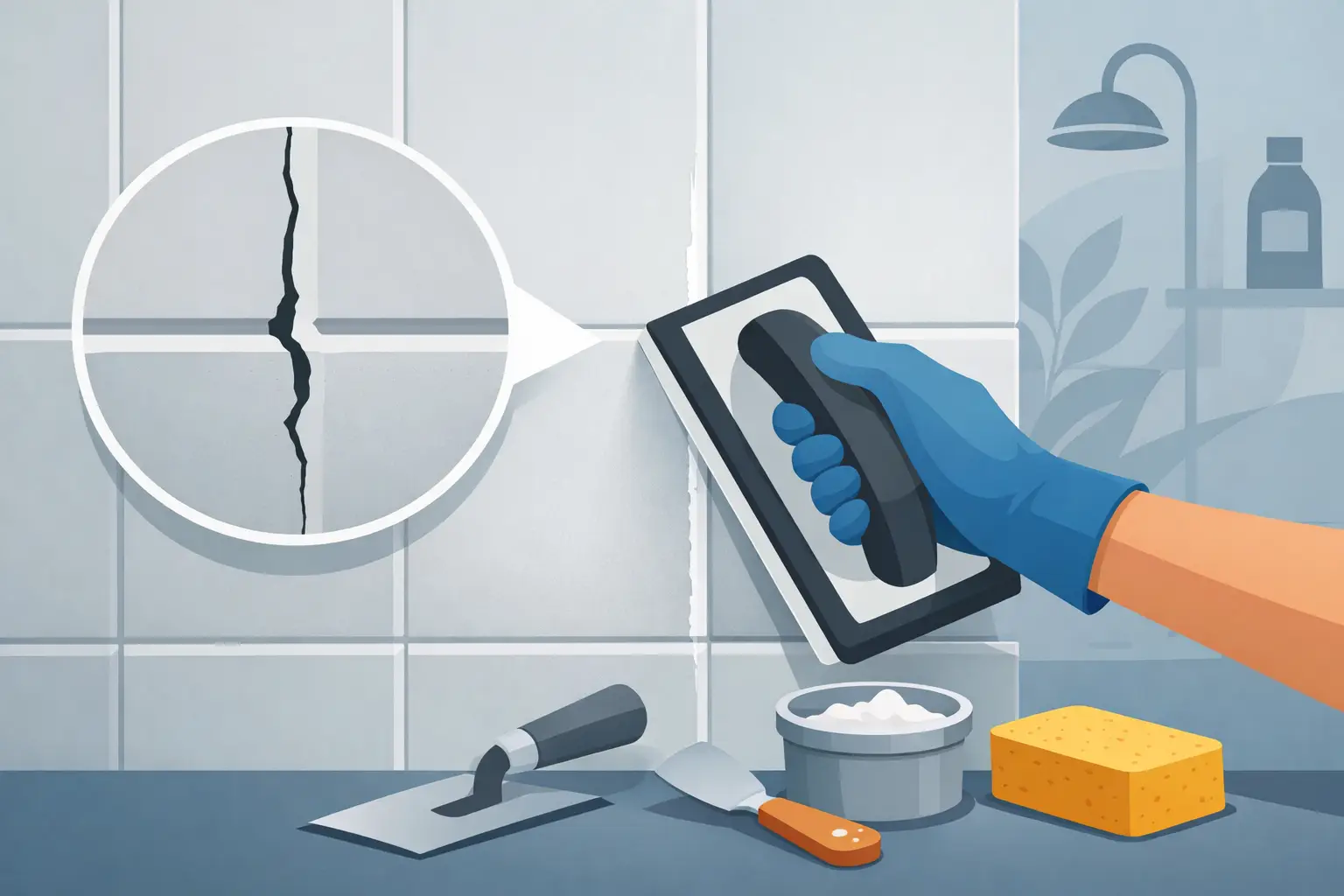
A hairline crack in a grout joint rarely stays cosmetic for long. Once moisture starts working its way behind tiles, a small surface flaw can turn into loose tiles, stained joints, mould growth and avoidable repair costs. That is why cracked grout repair is not just about improving appearance. It is about protecting the tiled surface, preserving hygiene and keeping the finish sound for years rather than months.
For homeowners, landlords and property managers, the challenge is knowing whether the grout simply needs a targeted repair or whether the cracking is a sign of a larger issue. The right answer depends on where the cracking is, how extensive it is and what caused it in the first place.
Why grout cracks in the first place
Grout is durable, but it is not flexible. Tiles and the surfaces beneath them move slightly over time due to building settlement, foot traffic, temperature changes and moisture. If the installation has movement, poor bonding, water intrusion or ageing materials, grout joints are often the first place that trouble becomes visible.
In showers, repeated moisture exposure is a common factor. If grout has become porous, brittle or poorly sealed, water can weaken the area behind the tile and contribute to cracking. On floors, movement is often the bigger culprit. Heavy traffic, minor substrate flex or isolated tile looseness can all place stress on grout lines until they split.
There is also the question of workmanship. Grout mixed incorrectly, applied too thinly, packed poorly into joints or used in the wrong location can fail earlier than expected. In those cases, patching one crack may improve the look temporarily, but it will not fix the underlying weakness.
What cracked grout repair can and cannot solve
A proper repair can restore the clean, finished appearance of tiled surfaces and prevent moisture from getting where it should not. It can also extend the life of an otherwise sound installation. If the surrounding tiles are firmly bonded, the joints are stable and the cracking is localised, repairing the grout is often the most practical and cost-effective solution.
What it cannot do is correct structural movement, fix failed waterproofing or stabilise loose tiles on its own. If cracks keep returning in the same area, especially in wet zones such as showers or balconies, that usually points to a deeper issue. In that situation, the repair strategy needs to go beyond the grout line.
This is where experience matters. A polished finish is only valuable when it is backed by correct preparation, sound diagnosis and materials chosen for the conditions.
Signs the problem is more serious than a simple grout touch-up
Some grout cracks are isolated and straightforward. Others are warning signs. If you notice tiles that sound hollow, edges that lift slightly under pressure, persistent damp smells, discolouration that returns quickly after cleaning or mould concentrated along cracked joints, there may be moisture trapped behind the tiled surface.
In showers, this deserves particular attention. Water does not need a large opening to travel. Fine cracks around floor joints, corners and wall intersections can be enough to allow ongoing seepage. Left too long, that can affect adjoining finishes and increase the scale of the repair.
Commercial properties and rental homes have another consideration: presentation. Cracked, stained grout can make an otherwise well-maintained bathroom or floor area look tired and unhygienic. Even when the damage is still minor, delayed repairs can reduce the overall impression of the space.
Cracked grout repair in showers, floors and kitchens
Not all tiled areas fail in the same way, so repair methods should reflect the setting.
Shower grout repair
Showers place grout under constant moisture stress. Repair work here needs to focus on more than filling visible cracks. Failing joints should be removed properly, the area should be assessed for moisture-related damage and the replacement grout should be suited to wet-area performance. Corners and change-of-plane joints also need attention because these are common movement points and may require flexible sealing rather than rigid grout.
Floor grout repair
On tiled floors, cracks often appear along traffic paths or where slight movement exists beneath the tiles. The repair may be limited to affected joints, but if tiles are drummy or loose, regrouting alone will not produce a lasting result. A sound floor repair starts with identifying whether the issue is joint failure or tile movement.
Kitchen and splashback grout repair
In kitchens, grout faces grease, cleaning products, heat fluctuation and day-to-day wear. Cracking is often less about heavy water exposure and more about ageing, minor movement or surface deterioration. Repairs here can make a major visual difference quickly, especially when older grout has discoloured as well as cracked.
The right way to approach cracked grout repair
The quality of the result is shaped by preparation. Simply smearing fresh grout over an existing crack is one of the most common reasons repairs fail early. Damaged grout needs to be removed to an appropriate depth so the new material can bond properly and sit neatly within the joint.
From there, the surrounding area should be cleaned thoroughly. Dust, soap residue, mould and loose material interfere with adhesion and finish quality. Once the joints are prepared, the replacement grout needs to be selected with the tile type, joint width and location in mind. Wet areas, high-traffic floors and decorative tiled finishes all place different demands on the product.
Application matters just as much as material choice. The grout should be packed firmly, tooled cleanly and allowed to cure under the right conditions. Rushed curing, poor clean-up or mismatched colour selection can spoil the final look, even if the repair is technically sound.
For clients focused on presentation, this is where specialist workmanship shows. Straight joints, even colour and a clean tile face are what make the repair blend into the broader surface rather than stand out as a patch.
Repair or full regrouting?
This is one of the most common decisions property owners face. If cracking is isolated to a few joints and the rest of the grout is stable, a localised repair can be sensible. It controls costs, limits disruption and restores the appearance where it matters.
If the grout is brittle across a larger area, showing widespread cracking, staining or deterioration, full regrouting is usually the better investment. It gives the surface a consistent finish and reduces the risk of chasing one failed section after another. In showers especially, partial repairs can be false economy when multiple joints are already compromised.
There is no one-size-fits-all answer. The best option depends on the age of the tiled area, the condition of adjacent joints and whether the goal is a short-term improvement or a longer-lasting restoration.
Why professional grout repair often saves money
DIY grout products can seem attractive for minor cracks, but many repairs fail because the original issue was misdiagnosed. A crack caused by tile movement, moisture ingress or failed junction sealing will usually return if it is treated as a simple cosmetic problem.
Professional repair reduces that guesswork. It also delivers a cleaner finish, better colour consistency and a more durable outcome. For wet areas and visible interior surfaces, those details matter. A repair should not only stop further deterioration. It should also lift the overall presentation of the room.
That is where a specialist approach adds value. Companies such as A1 Grouting & Tiling focus on both performance and finish quality, which is exactly what cracked grout demands. The technical repair needs to be right, but so does the visual result.
How to keep repaired grout looking sharp
Once grout has been repaired or replaced, maintenance makes a real difference. Gentle routine cleaning, good ventilation in wet areas and prompt attention to new hairline cracks will help extend the life of the joints. Harsh chemicals and abrasive scrubbing can wear grout down prematurely, particularly in older tiled areas.
It is also worth keeping an eye on silicone joints around shower corners, screens and wall-to-floor junctions. These areas often move more than flat grout lines, and failure there can place nearby grout under added stress.
A tiled surface should feel solid, clean and finished – not patched together. If grout is cracking, it is worth treating it as an early warning rather than a small defect. The right repair protects the surface beneath, restores the look of the space and helps ensure the finish performs as well as it presents. When done with care, cracked grout repair is a practical upgrade that brings both durability and confidence back to the room.