 10 years of water leakage warranty for Regrouting showers.

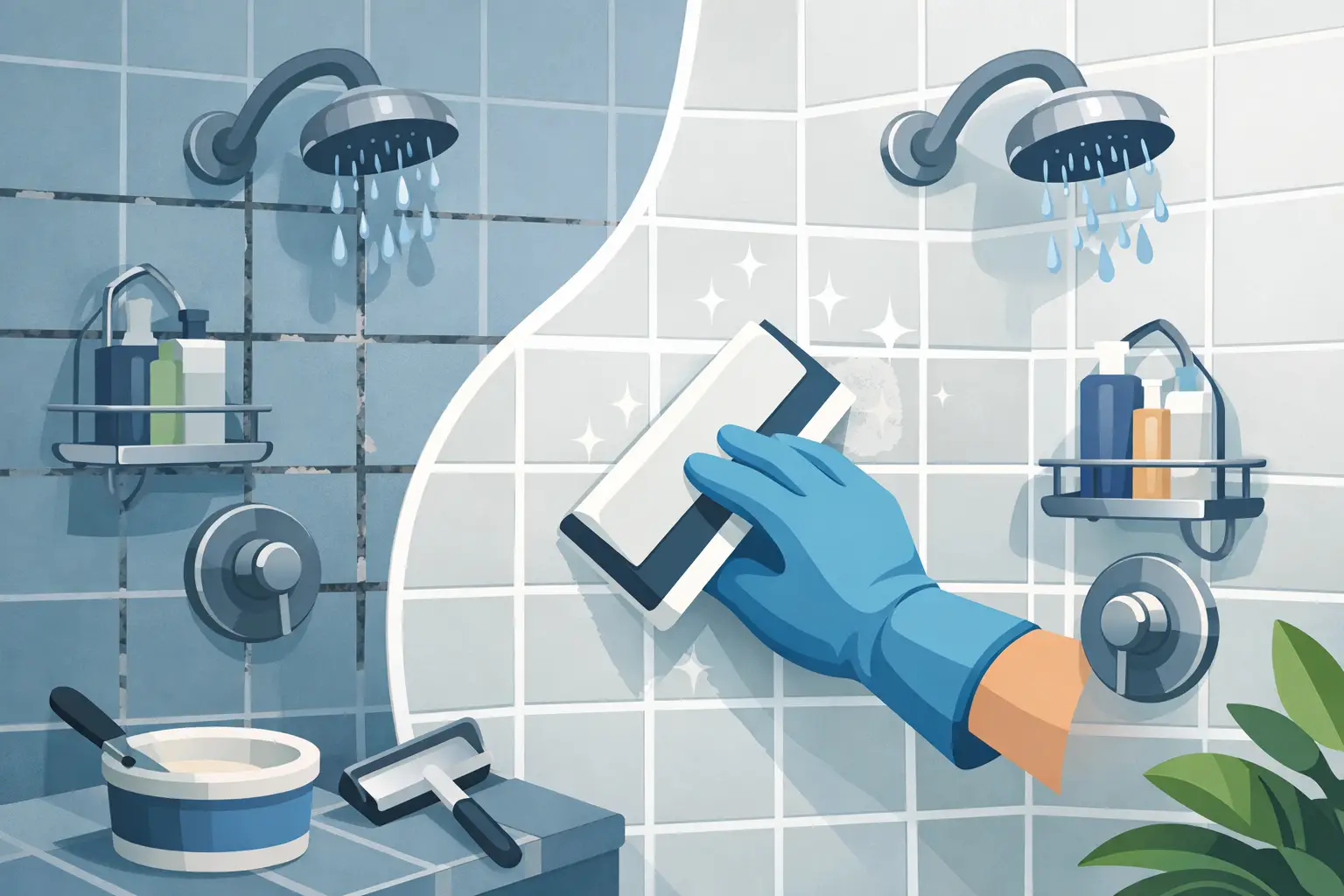
A shower can look tired long before its tiles are ready to be replaced. Darkened grout lines, cracked joints, mould staining and loose silicone can make an otherwise sound bathroom feel dated and difficult to clean. A shower makeover with grout renewal focuses on the parts that most affect hygiene, water resistance and visual appeal, without automatically committing you to a full renovation.
For homeowners, landlords and property managers, this can be a practical way to restore a bathroom between major upgrades. The right scope of work matters, though. Fresh grout is only a lasting solution when the tiles, substrate and waterproofing behind them are in suitable condition.
What grout renewal can change in a shower
Grout does more than fill the gaps between tiles. It supports the tiled surface, helps keep edges neat and reduces the spaces where moisture and soap residue can build up. Over time, regular shower use can leave grout porous, discoloured, cracked or missing in places. Corners and junctions may also develop failed silicone, creating a direct path for water to travel behind the tiled finish.
Professionally renewed grout gives the shower a cleaner, more uniform appearance. Crisp joints can make existing wall tiles look brighter, bring out the pattern in feature tiles and create the polished finish people expect from a well-maintained bathroom. It also removes stubborn surface staining that routine cleaning may no longer shift.
The functional benefit is just as valuable. Repairing deteriorated grout and sealing appropriate joints helps protect the tiled assembly from ongoing moisture exposure. This is particularly relevant in investment properties and commercial bathrooms, where deferred maintenance can quickly become a larger repair issue.
A grout renewal is not a cosmetic cover-up. Proper work involves removing failed material to a suitable depth, preparing joints carefully and applying products designed for wet areas. Simply spreading new grout over loose, contaminated or cracked grout rarely delivers a durable result.
Is regrouting enough, or does the shower need more work?
The best shower makeover starts with an honest assessment. Regrouting is often an excellent choice when tiles are firmly bonded, walls are stable, drainage is working correctly and there are no signs of major water damage. In this situation, renewing the joints and silicone can produce a significant transformation at a fraction of the cost and disruption of a full retile.
However, grout cannot solve every shower problem. Persistent dampness on adjoining walls, hollow-sounding tiles, movement cracks, lifting tiles, soft flooring, water escaping beyond the shower area or a recurring mould problem can point to a deeper issue. Failed waterproofing may require tiles to be removed so the substrate and membrane can be repaired correctly.
This distinction is important. A beautiful grout finish over a compromised shower may look good initially, but it will not stop concealed water damage. A skilled tiling specialist should identify whether the issue sits in the grout joints, movement joints, tile bond, drainage or waterproofing system before recommending a solution.
In some bathrooms, a targeted repair is the most sensible option. In others, partial retile work around a damaged niche, hob or shower floor can protect the rest of the room. Where tile styles are outdated or layouts are poorly designed, a full shower retile may offer better long-term value and more freedom to improve drainage, storage and overall design.
Signs your grout is due for attention
Grout that has changed colour is not always failing, but certain signs should not be ignored. Look for joints that are cracked, powdery, recessed or missing altogether. Black mould that returns quickly after cleaning, especially around corners, can signal moisture trapped in affected joints or failing silicone.
Pay attention to tile movement as well. A tile that feels loose or sounds hollow when tapped needs further investigation before any regrouting begins. Water marks, peeling paint or swelling on the other side of a shower wall are more urgent warning signs and should be assessed promptly.
The process behind a lasting shower makeover with grout renewal
Precision preparation is what separates a durable restoration from a short-lived refresh. The process should begin by protecting nearby fittings and surfaces, then removing deteriorated grout with appropriate tools. Care is needed to avoid chipping tile edges or damaging sound tiles that are being retained.
Once the joints are cleared, the shower needs to be thoroughly cleaned and allowed to dry as required. Soap film, body oils, mould residue and loose particles can interfere with the new material bonding properly. The specialist can then inspect the exposed joints more clearly and identify areas requiring tile repair or additional attention.
Fresh grout is installed evenly and finished to suit the tile profile. Colour selection deserves more thought than many people expect. A matching grout colour creates a calm, continuous surface and suits a refined, understated bathroom. A contrasting grout can frame each tile and make a subway, herringbone or geometric pattern more pronounced. Lighter shades can feel fresh and open, while mid-tone and darker shades are often more forgiving in high-use showers.
Wall-to-floor transitions, internal corners and changes in plane generally require flexible sanitary-grade silicone rather than rigid grout. These areas move slightly over time, and silicone is designed to accommodate that movement. Selecting a colour-matched silicone produces a cleaner visual result while helping maintain a watertight finish at critical junctions.
The final stage is curing. A shower should not be used until the grout and silicone have cured in line with the product requirements. Rushing this step can compromise the finish before it has had the opportunity to perform properly.
Design details that lift the finished bathroom
A grout renewal is an opportunity to improve the visual balance of the shower, not merely repair it. Small refinements can make a noticeable difference, especially when the bathroom’s tile layout already has good bones.
Consider whether the grout colour still suits the room. Bright white grout can sharpen a clean contemporary look but may require more regular cleaning. Warm grey, soft stone and charcoal tones can complement natural-look porcelain and reduce the visibility of everyday marks. The best option depends on tile colour, lighting, the amount of natural light and how much maintenance the space will receive.
Clean silicone lines matter too. Neat edges around screens, taps, niches and corners make the entire shower look more considered. If the shower screen is ageing, hardware is corroded or fittings are visually mismatched, a grout restoration may highlight these elements. This does not mean everything must be replaced, but it helps to plan the makeover as one coordinated finish.
For a more substantial update, replacing a small number of damaged tiles, adding a tiled niche or renewing a shower floor can create a custom appearance without rebuilding the whole bathroom. Each option should be weighed against the condition of the waterproofing and the availability of matching tiles.
Protecting renewed grout after the work is complete
Good aftercare helps preserve the appearance and performance of renewed joints. The aim is not to over-clean the shower, but to prevent soap residue and standing water from becoming embedded in the surface.
A simple maintenance routine makes a real difference:
- Use a squeegee after showering to reduce water left on tiles and glass.
- Keep the bathroom ventilated with an exhaust fan or open window where possible.
- Clean regularly with a pH-neutral tile cleaner rather than harsh acidic or abrasive products.
- Check silicone joints periodically and arrange repairs if they begin to split, shrink or lift.
Avoid using bleach-heavy products as a routine solution, particularly on coloured grout and silicone. They may appear to brighten the surface temporarily, but repeated harsh cleaning can contribute to deterioration. If mould is recurring, address ventilation and moisture causes rather than relying only on stronger chemicals.
Professional sealing may be recommended for some grout types and applications. Whether it is necessary depends on the grout product, tile type and shower use. A quality installer can provide practical advice based on the materials in your bathroom rather than applying a one-size-fits-all approach.
Choosing workmanship you can rely on
Shower repairs need a specialist who understands both finish quality and moisture management. Ask how failed grout will be removed, how corners and junctions will be treated, and what happens if hidden tile or waterproofing issues are identified during the work. Clear answers are a sign that the job is being assessed as a building finish, not just a cleaning task.
At A1 Grouting & Tiling, shower regrouting is completed with precision workmanship and backed by a 10-year water leakage warranty for regrouting showers. That assurance matters because a shower makeover should provide more than an immediate visual lift. It should leave the space cleaner, more refined and better prepared for years of everyday use.
A well-restored shower changes how a bathroom feels each morning. When the tile lines are crisp, corners are properly sealed and every surface is finished with care, even an older bathroom can feel confidently maintained rather than overdue for replacement.