 10 years of water leakage warranty for Regrouting showers.

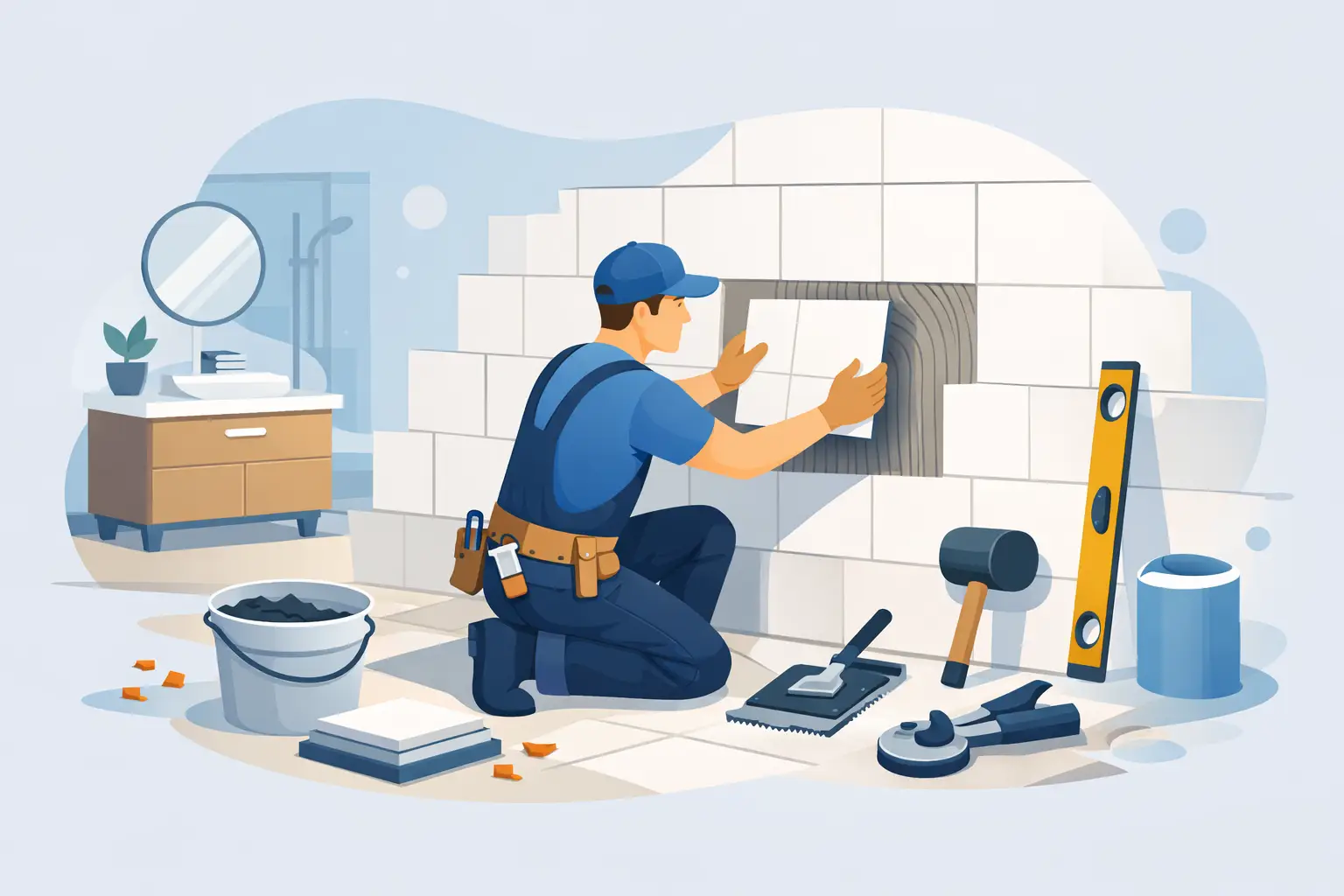
A bathroom that looks sharp on day one but starts showing uneven lines, cracked grout or poor drainage six months later was never installed properly in the first place. A professional bathroom tile installation service is not just about laying tiles neatly. It is about building a wet area that performs under daily use, resists moisture problems and still looks refined years down the track.
Bathrooms ask more of tiled surfaces than almost any other room. They deal with constant water exposure, steam, cleaning products, foot traffic and movement in the building itself. That means every stage matters – substrate preparation, waterproofing coordination, tile layout, adhesive selection, grout choice and finish quality. When one part is rushed, the whole room pays for it.
What a bathroom tile installation service should actually cover
Many people think tile installation begins when the first tile comes out of the box. In reality, the visible finish is only as good as what sits underneath it. A proper bathroom tile installation service starts with assessing the space, checking levels, measuring falls, reviewing existing surfaces and identifying defects that could affect adhesion or alignment.
From there, the work should move through a controlled process. The substrate needs to be stable and suitable for tiling. Wet areas need correct waterproofing before tiles are laid. Tile set-out needs to be planned so cuts are balanced, feature walls look intentional and fixtures do not interrupt the visual flow. Then comes installation with the right adhesives, spacing and levelling methods, followed by grouting, silicone work and final detailing.
That broader approach is what separates premium workmanship from a basic trade job. The difference shows up in the straightness of joints, the consistency of tile lines, the neatness around niches and tapware, and the way the finished room feels as a whole.
Why precision matters more in bathrooms than other tiled spaces
Bathrooms are unforgiving. In a large open-plan floor, a slight variation might go unnoticed. In a bathroom, especially a smaller one, every detail is close to eye level and easy to spot. Crooked tiles, lippage, awkward cuts or patchy grout can quickly make a renovation feel cheap, even when the materials were expensive.
There is also a performance issue. Bathroom floors need correct falls so water drains as intended. Shower walls need careful alignment so joints remain clean and uniform. Niches, hob edges and corners need to be finished with precision because those are the points where moisture problems and cosmetic flaws often appear first.
This is why experienced tilers spend time on planning, not just installation. A polished result comes from making decisions before the adhesive is mixed – where the layout starts, how pattern lines will carry across walls, how to avoid tiny tile slivers, and how to frame key focal points cleanly.
Choosing the right tiles for a better result
Not every bathroom tile suits every bathroom. The best installation result comes from matching the tile to the room, the intended look and the practical demands of the area.
Porcelain is a popular choice because it is dense, hard-wearing and available in a wide range of finishes. Ceramic can work well on walls where the wear is lower. Natural stone creates a high-end look, but it needs more care and is not always the best fit for owners wanting a low-maintenance finish. Large-format tiles can make a bathroom feel more spacious and reduce grout lines, but they demand a flatter substrate and more exact installation. Mosaic tiles are excellent for slip resistance and shaping to shower floors, though they involve more grout joints and more maintenance over time.
That is where professional guidance matters. The right tile is not only about style. It is also about slip resistance, porosity, cleaning expectations, room size and installation complexity. A quality-focused contractor will help balance appearance with long-term practicality.
Bathroom tile installation service for renovations and repairs
Some bathrooms start from scratch. Others are part of a renovation where there are existing issues to correct first. This can include damaged substrates, failed grout, loose tiles, old waterproofing, movement cracks or mould-prone shower areas.
In these projects, installation and repair knowledge need to work together. There is little value in installing beautiful new tiles over a surface that has not been properly addressed. Long-term performance depends on identifying what caused the failure in the first place and rectifying it before the new finish goes in.
That practical repair mindset is one of the biggest advantages of using a specialist rather than a generalist. A contractor who understands both new tiling and restoration can spot risks early and recommend the right scope of work, whether that means full replacement, partial retiling or targeted remedial work around a shower or wet area.
What homeowners and property managers should ask before hiring
The cheapest quote rarely reflects the full job. Bathroom tiling is detail-heavy work, and pricing can vary depending on preparation, access, tile type, pattern complexity and whether rectification is needed.
Instead of focusing only on the final number, ask what is included. Does the service cover surface preparation? Will the installer coordinate with waterproofing requirements? Are tile layout and feature details discussed before work begins? What grout and silicone products are being used? Is workmanship backed by a meaningful warranty?
It is also worth asking about cleanliness and site management. Bathrooms are often renovated while the rest of the property remains in use, especially in occupied homes, rental properties and commercial settings. A professional team should work methodically, protect surrounding surfaces and leave the site tidy at each stage.
For many clients, confidence comes down to one thing: knowing the finish will look right and last. That is why warranty-backed workmanship carries real value. It shows the installer stands behind both the appearance and the durability of the job.
The finish is where craftsmanship becomes visible
Even excellent materials can look ordinary if the finishing is careless. In bathroom tiling, craftsmanship is most obvious in the final details. Grout lines should be even and clean. Silicone joints should be neat and properly tooled. Edge trims should sit true. Tile cuts around wastes, mixers and fixtures should be accurate, not oversized and disguised later.
These finer points affect more than appearance. Clean finishing supports hygiene, makes ongoing maintenance easier and reduces the chance of premature wear in vulnerable areas. Bathrooms are cleaned often, and poor detailing tends to reveal itself quickly.
A well-finished bathroom feels composed. The lines are balanced, the surfaces are easy to maintain and the room presents as a complete design, not just a collection of separate materials. That is the difference between a tiled bathroom and a properly executed bathroom.
When custom layouts are worth it
Straight lay patterns remain popular because they are clean, timeless and cost-effective. But some bathrooms benefit from more considered design choices, especially when the goal is to lift the overall look of the home or commercial space.
Stacked vertical tiles can make a room feel taller. Horizontal layouts can visually widen a narrow bathroom. Herringbone and feature walls add movement and character, though they require greater installation accuracy and usually involve more cutting and labour. Contrast grout can highlight a pattern beautifully, but it also draws more attention to spacing and alignment, so precision becomes even more important.
There is always a trade-off between complexity, budget and visual impact. A good installer will be honest about that. Sometimes a simple layout executed flawlessly delivers a better result than an ambitious pattern done poorly.
Why specialist workmanship pays off over time
Bathrooms are expensive spaces to redo. If tiles fail because of poor preparation or rough workmanship, the cost is not limited to replacing the finish. It can involve removing fixtures, addressing water damage, rectifying surrounding materials and disrupting the home or tenancy again.
That is why quality tiling should be viewed as a long-term investment rather than a line item to minimise. Precise installation helps protect the structure, preserve the appearance of the renovation and reduce future maintenance issues. It also adds value in a very visible part of the property.
For homeowners, that means more confidence in the room every day. For landlords and property managers, it means fewer complaints, fewer avoidable repairs and a bathroom that presents well between tenancies. For commercial properties, it means a finish that supports both durability and presentation under regular use.
A1 Grouting & Tiling approaches bathroom work with that bigger picture in mind – combining expert tiling, refined finishes and warranty-backed workmanship to create bathrooms that are built to perform and designed to impress.
If you are planning a bathroom upgrade, look beyond tile samples and quote totals. The real value of a bathroom tile installation service is in the unseen preparation, the precision of the set-out and the quality of the finish that still looks right long after the renovation dust has settled.