 10 years of water leakage warranty for Regrouting showers.

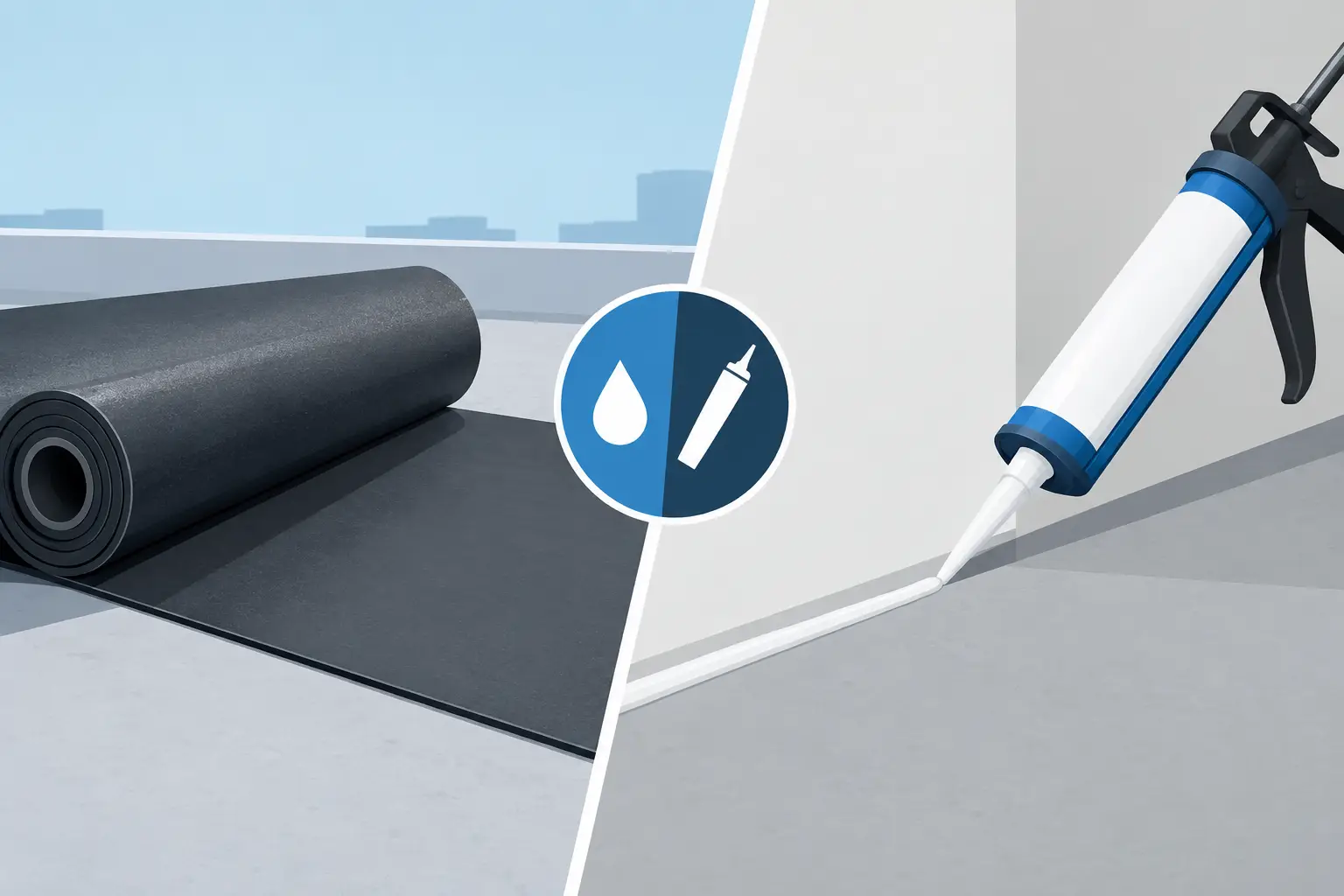
A shower can look freshly renovated yet still allow water into the walls or floor beneath it. That is why the choice between a waterproof membrane versus sealant is not simply about which product is better. They do different jobs, at different stages, and a lasting tiled finish often depends on using both in the right places.
For homeowners, landlords and property managers, getting this distinction right can prevent hidden water damage, mould, loose tiles and costly rectification work. The visible finish matters, but what sits behind and around the tiles matters just as much.
Waterproof membrane versus sealant: the key difference
A waterproof membrane is a continuous protective barrier installed beneath tiles. It is designed to stop water from reaching the substrate, such as plasterboard, cement sheet, screed or concrete. In wet areas, the membrane is part of the waterproofing system that protects the building structure when water passes through grout joints or sits on tiled surfaces.
Sealant is a flexible finishing material applied to joints and gaps. Most people know it as silicone, although polyurethane and other specialised sealants are also used in certain applications. Its purpose is to seal movement joints, changes of plane and penetrations where rigid grout would crack.
Put simply, a membrane manages water behind the tile surface. Sealant manages movement and water at vulnerable edges and junctions. One cannot reliably replace the other.
Why tiled surfaces still need waterproofing
Tiles are durable and grout can be professionally sealed, but neither should be treated as the primary waterproof layer in a shower or wet area. Grout is porous to varying degrees, and fine cracks can develop through normal building movement, thermal changes and daily use. Water can make its way through grout lines over time.
A correctly installed waterproof membrane forms the safeguard beneath the tile bed. In bathrooms, it is especially important around shower floors, wall-to-floor junctions, hob edges, drains, niches and plumbing penetrations. On balconies and outdoor tiled areas, it also protects the structure from rainwater and helps reduce the risk of efflorescence, tile lifting and moisture-related deterioration.
The quality of the application is critical. Membranes need correct surface preparation, compatible primers where required, proper coverage rates and careful treatment at corners, joints and drains. A thin or discontinuous coating can leave weak points that only become obvious after leaks appear.
Membranes work as a system
Waterproofing is not just a coat painted onto a floor. The substrate, falls to waste, bond breakers, reinforcement, membrane type, adhesive and tile installation all need to work together. In a shower, poor drainage can leave water pooling beneath tiles even when the membrane itself is sound.
This is why professional installation is worth considering for new bathrooms, major renovations and any area where the existing waterproofing may be compromised. The job is largely hidden once tiling begins, but its performance affects the room for years.
Where sealant is essential
Sealant belongs at locations where two surfaces meet and are likely to move independently. Common examples include the joint between a shower wall and floor, internal corners, the edge where tiles meet a bath, and around certain fixtures or pipe penetrations.
These joints should not generally be rigidly grouted. Grout is excellent for filling tile joints across stable, flat surfaces, but it does not flex. When movement occurs, grout can crack and create a path for water, dirt and mould.
A quality sanitary silicone is often the preferred choice in bathrooms because it remains flexible and is formulated to resist mould growth. Colour-matched silicone can also provide a clean, refined result that complements the grout and tile selection rather than interrupting the design.
Sealant should be applied to clean, dry, prepared surfaces. Old silicone needs to be fully removed before replacement, as applying new material over failing sealant rarely creates a dependable bond. The joint also needs the right depth and profile to allow the sealant to move as intended.
Can sealant replace a waterproof membrane?
No. Sealant is not a substitute for membrane waterproofing in a shower, bathroom or balcony. It cannot create a reliable continuous barrier across large areas, and it is not designed to sit beneath an entire tiled installation as the main defence against moisture.
Applying silicone over grout lines or around a suspected leak may look like a quick fix, but it can trap moisture, discolour the finish and delay a proper diagnosis. If water is entering through a failed waterproofing layer, cracked substrate or drainage issue, surface sealant alone will not solve the cause.
There are limited situations where sealant is the right repair. A split silicone joint at the base of a shower screen, for example, may allow water to escape onto the bathroom floor. Replacing that joint can be a straightforward maintenance repair. The important point is identifying whether the issue is localised to the sealant or indicates a deeper waterproofing failure.
Can a membrane replace sealant?
Also no. While a membrane may bridge some movement when installed beneath tiles, it does not remove the need for flexible joints at exposed junctions. Tiled surfaces expand, contract and settle. Bathrooms are exposed to heat, steam, cleaning products and regular moisture, while balconies face changing weather conditions.
Without correctly placed movement joints and flexible sealant, stress can show up as cracked grout, fractured tiles or separation at edges. The result can undermine both the appearance and performance of an otherwise well-installed tiled area.
Choosing the right solution for your project
The right approach depends on the location, the condition of the existing installation and the scale of the work.
For a new shower or full bathroom renovation, a compliant waterproof membrane beneath the tiles and high-quality flexible sealant at movement joints are both essential. This gives the room layered protection without compromising the finished look.
For a shower with mouldy, stained or cracked grout, professional regrouting and replacement silicone may restore hygiene, improve appearance and address minor surface-level issues. However, regrouting does not rebuild a failed membrane underneath. If there are signs of persistent leaking, hollow tiles, damaged wall linings, swelling skirting boards or dampness in an adjoining room, further investigation is needed before cosmetic repairs begin.
For balconies, external membranes and movement joints are particularly important. UV exposure, rainfall and temperature changes place more stress on the tiled assembly than most internal spaces. The right membrane must suit the application, while joints at walls, thresholds and perimeter edges need flexible, weather-resistant sealing.
Commercial bathrooms, kitchens and high-traffic floors bring another consideration: maintenance. Regular cleaning, prompt repair of damaged silicone and grout, and early attention to loose tiles can extend the life of the installation and help protect the property beneath it.
Signs you may have a waterproofing or sealant problem
A failed joint and a failed membrane can initially look similar, but the clues are often different. Deteriorated silicone usually appears as lifting edges, visible gaps, black mould, shrinkage or cracking at corners and fixture edges. This is often confined to a clear, narrow joint.
Waterproofing concerns can be less obvious. Watch for moisture marks on ceilings below a bathroom, peeling paint on an adjacent wall, recurring mould despite cleaning, loose or drummy tiles, persistent musty odours, or water appearing outside the shower area. These signs do not automatically confirm a membrane failure, but they warrant a careful assessment rather than a surface-only patch.
Precision matters here. Replacing grout or silicone can transform a tired shower, but the repair should match the condition of the area. A quality result begins with an accurate diagnosis.
The finish should protect as well as impress
A beautifully tiled bathroom is built in layers: sound preparation, effective waterproofing, careful tile installation, clean grout lines and flexible sealed joints where movement is expected. Each layer has a separate role, and skipping one can shorten the life of the whole installation.
At A1 Grouting & Tiling, this attention to detail is central to achieving finishes that look polished, stay cleaner and perform over time. Whether your tiled area needs a fresh silicone joint, professional regrouting or a more substantial renovation, the best next step is to address the source of the issue before choosing the visible fix.