 10 years of water leakage warranty for Regrouting showers.

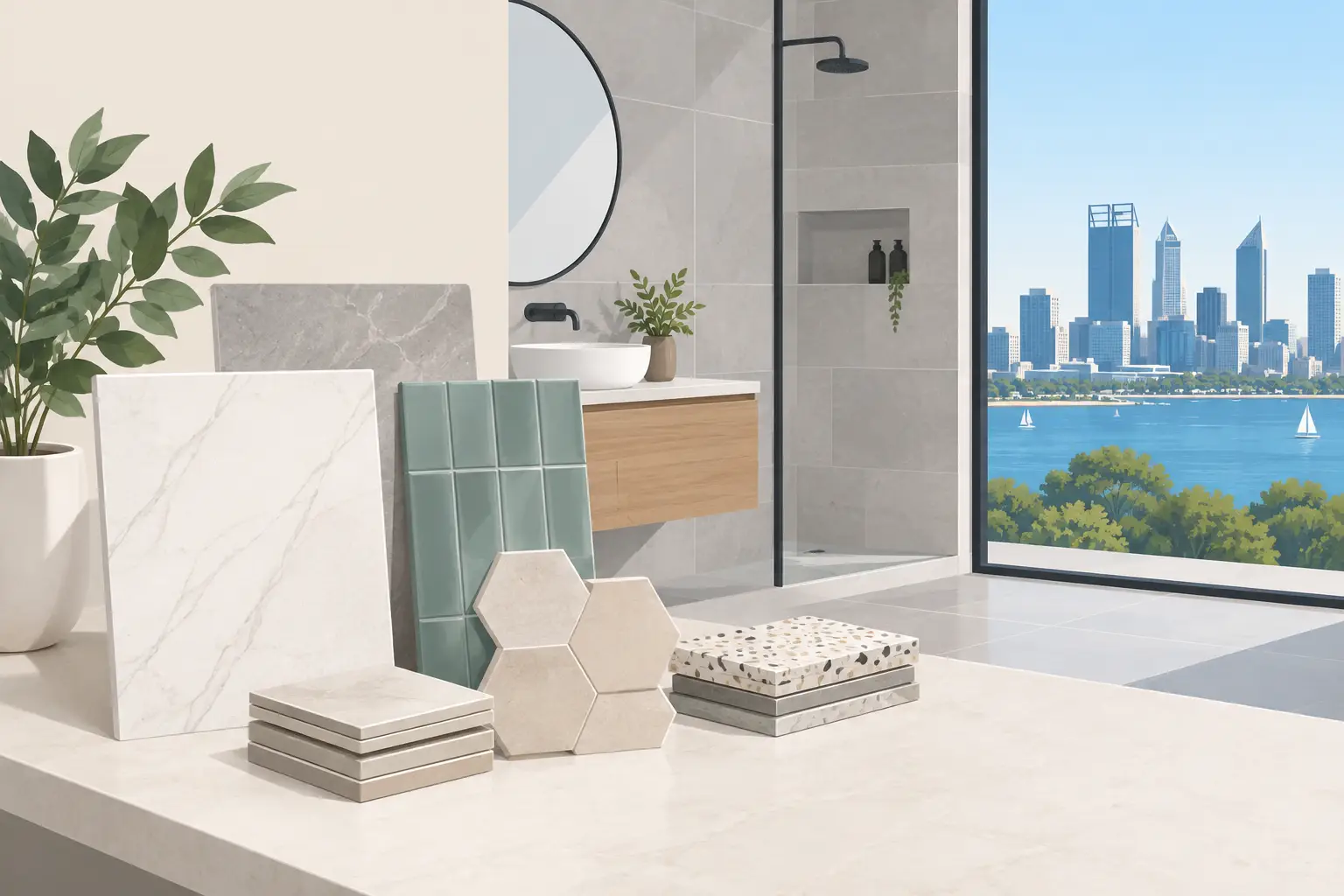
A tiled surface should still look considered years after the renovation dust has settled. When choosing tiles in Perth, the right decision is not only about colour or pattern. It is about selecting a material, finish, layout and grout system that suits the room, stands up to local conditions and delivers a clean, durable result.
A beautiful tile can be let down by poor preparation, uneven alignment or grout that stains and cracks too soon. Equally, a practical surface can transform a bathroom, kitchen or commercial interior when every detail is planned with care. The best outcomes balance design ambition with proven installation methods.
Tiles in Perth need to suit the space
Perth properties experience hot, dry summers, wet winters and plenty of tracked-in dust and sand. These conditions do not mean every room needs the same tile, but they do make surface choice more important. A bathroom floor, a busy kitchen and an exposed balcony each place very different demands on tiles, adhesive, grout and movement joints.
Start with how the area is used. In a family bathroom, water resistance, slip resistance and easy cleaning usually matter more than a highly polished finish. In a kitchen, homeowners often want a hard-wearing floor that handles spills while adding warmth and character. For commercial spaces, the priority may be traffic resistance, straightforward maintenance and a finish that continues to present well to customers.
Tile size also changes the feel and performance of a room. Large-format tiles create a quieter, more contemporary appearance with fewer grout lines. They can make a compact bathroom feel more open, but demand a level substrate and precise installation. Smaller tiles offer more grip underfoot and work particularly well on shower floors, where additional grout lines can assist with drainage and traction.
Choosing the right tile material
Porcelain remains a strong choice for many residential and commercial projects. It is dense, low-porosity and available in finishes that replicate natural stone, timber and concrete without the same maintenance requirements. Quality porcelain is particularly suited to bathrooms, laundries, kitchens and high-traffic floors where durability matters.
Ceramic wall tiles are a practical option for splashbacks and bathroom walls. They are available in an enormous range of colours, profiles and decorative finishes, often at a more accessible price point than porcelain. Their lower density makes them better suited to walls than heavily used floors, depending on the product rating.
Natural stone brings genuine variation and depth that manufactured tiles cannot fully reproduce. Travertine, marble and limestone can create a refined finish, but they require correct sealing, suitable cleaning products and realistic expectations around natural markings. Stone is not a set-and-forget choice. It is ideal for owners who value its character and are prepared to maintain it appropriately.
Timber-look porcelain is often chosen where homeowners want the visual softness of floorboards with the moisture resistance and easy cleaning of tile. It can work beautifully through open-plan living areas, provided the planks are laid with careful attention to lippage, pattern variation and expansion requirements.
The material alone does not determine performance. Always check that the product is rated for its intended application, especially for floors, wet areas and external locations.
Finish, grip and maintenance matter as much as colour
A glossy wall tile can reflect light and make a smaller bathroom feel brighter. On a shower floor, however, that same glossy finish may be impractical. Matte, structured or slip-rated surfaces are generally a better choice where bare feet, water and soap are involved.
This is where visual preference and day-to-day use need an honest conversation. Dark tiles can feel dramatic and sophisticated, yet can show soap residue, mineral deposits and dust more readily. Very light grout may create a crisp appearance around pale tiles, but requires more regular cleaning in busy areas. Mid-tone grout is often a practical compromise, retaining a polished look while being more forgiving between cleans.
For balconies and outdoor areas, select tiles designed for exterior exposure and appropriate slip resistance. Surface water, pool traffic and seasonal weather all affect the right specification. A tile that looks excellent in a showroom may not be the best fit once it is exposed to rain, direct sun and regular foot traffic.
The installation is what makes the finish last
Even premium tiles cannot compensate for poor substrate preparation. Before tiling begins, the surface needs to be assessed for movement, moisture, cracks and level variation. Floors may need levelling, walls may need straightening, and wet areas need proper waterproofing before a single tile is installed.
Precision setting-out is equally important. This determines where cuts fall, how patterns meet at corners and whether feature tiles are centred rather than ending in awkward slivers. In a bathroom, it can mean aligning wall joints with floor joints, positioning a niche cleanly within the pattern and ensuring falls guide water to the drain.
Large-format tiles demand particular care. Because each tile covers more area, any irregularity in the surface underneath becomes more obvious. The correct adhesive coverage, levelling approach and joint width help reduce lippage and support long-term adhesion.
Movement joints should not be treated as an afterthought. Buildings move subtly with temperature changes, settling and everyday use. Correctly positioned expansion and movement joints allow a tiled surface to accommodate that movement rather than transferring stress into the tiles or grout.
Grout is a key part of a quality tiled surface
Grout frames every tile, protects the edges and finishes the overall design. It also receives constant exposure to water, cleaning products, dirt and foot traffic. Choosing the correct grout type and colour is one of the most effective ways to improve both appearance and maintenance.
In showers, cracked, missing or mould-stained grout should be addressed promptly. Grout deterioration can allow moisture to travel behind tiles, leading to a larger and more expensive repair if left unresolved. Regrouting can restore the appearance of a shower and improve hygiene, but it needs to be paired with a proper inspection of silicone joints, tile stability and signs of underlying water damage.
Silicone and grout serve different purposes. Grout fills the spaces between tiles, while flexible silicone is required at internal corners, wall-to-floor junctions and areas where different surfaces meet. Using the right product in the right location helps maintain a clean, watertight finish.
For existing tiled areas, professional cleaning, targeted repairs and regrouting can often provide a significant refresh without the disruption of full replacement. This is especially valuable for landlords preparing a property, homeowners planning to sell, or commercial managers maintaining presentation standards.
Design details that lift bathrooms and kitchens
A carefully selected feature is often more effective than trying to make every surface a statement. A textured shower wall, a vertical-stack splashback or a framed niche can create a distinctive result while keeping the broader scheme timeless.
Tile orientation has a strong effect on proportion. Vertical rectangular tiles can give a low-ceiling bathroom a greater sense of height. Horizontal layouts may make a narrow room feel wider. Herringbone and other patterned layouts add movement, but increase cutting, installation time and material allowance. They are worth considering when the design benefit justifies the added detail.
Edges deserve the same attention as the tile face. Mitred corners, tile trims and neat transitions between rooms all influence whether a finished space feels premium. There is no single best edge treatment. A slim metal trim may suit a contemporary scheme, while a carefully executed mitre can create a more uninterrupted stone-look finish.
Plan for value, not just the initial tile price
A lower-priced tile is not automatically poor value, and an expensive tile is not automatically right for the project. The total result depends on the material, substrate preparation, waterproofing, adhesive system, grout, cutting requirements and workmanship.
Budget more carefully for rooms with complex details: shower niches, drains, stair edges, curved walls, feature patterns and large-format products all require additional skill and time. These are the details that should not be rushed. A well-planned installation reduces the likelihood of premature repairs and helps the surface retain its appeal for longer.
For homeowners comparing quotes, clarity matters. A professional scope should identify preparation work, waterproofing requirements where relevant, tile layout considerations, grout and silicone finishing, and how repairs or unexpected substrate issues will be handled. This gives you a more reliable basis for comparing workmanship, not simply a final figure.
The right tiled finish should feel easy to live with: clean lines, sound surfaces, practical maintenance and a design that still feels right after trends shift. Whether you are restoring a tired shower or planning a complete renovation, choose materials and workmanship that respect both the look of the room and the life it needs to support.