 10 years of water leakage warranty for Regrouting showers.

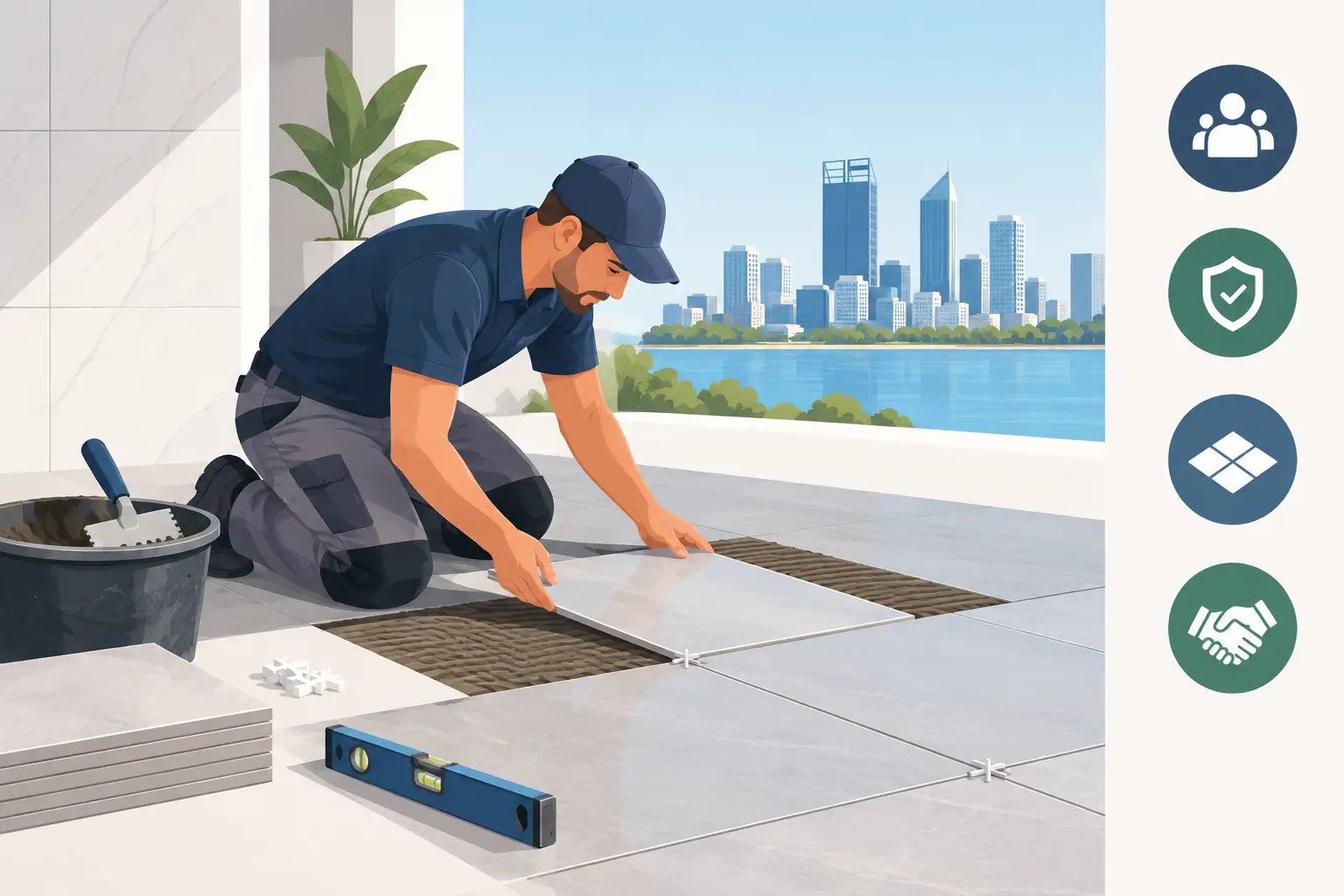
A bathroom can look freshly renovated on handover day, then show its weaknesses months later through cracked grout, uneven lines or water finding its way behind the wall. The difference is rarely just the tile itself. It comes down to preparation, alignment, waterproofing and the standard of workmanship behind the finished surface. When comparing tilers in Perth, those details should guide the decision more than a quick quote or an impressive sample board.
Tiling is both a practical trade and a visible finish. A well-executed floor, shower wall or kitchen splashback needs to suit the room, withstand daily use and retain its clean appearance over time. For homeowners, landlords and commercial property managers, choosing the right specialist is a decision that protects both the property and the investment.
Start with the condition of the surface
Before selecting tiles or discussing patterns, a professional should assess what sits beneath the visible surface. Old adhesive, movement in the substrate, damaged screed, loose tiles and moisture issues can all affect the result. Installing new tiles over an unstable base may save time at the start, but it can lead to lifting, cracking or hollow-sounding tiles later.
This is particularly relevant in bathrooms, laundries and balconies. These areas manage regular moisture, temperature changes and foot traffic. If a shower has persistent mouldy joints, missing grout or signs of dampness outside the shower area, the issue may require more than a cosmetic touch-up. Careful grout removal, surface preparation and appropriate regrouting can restore the area when the underlying tiles remain sound. Where water damage or failed waterproofing is suspected, further investigation should happen before new finishes are applied.
A quality tiler will explain the condition they have found in clear terms. They should distinguish between work that improves appearance and work that addresses the cause of a failure. This honest assessment helps avoid paying for a beautiful surface that does not solve the problem beneath it.
What professional tilers in Perth should assess
Perth homes range from established brick properties to modern apartments and newly built family homes. Each has different substrates, layouts and renovation constraints. A skilled tiler does not apply a one-size-fits-all approach.
The assessment should consider the room’s purpose, existing surface condition, tile selection, drainage and surrounding finishes. In a shower, falls towards the waste must be accurate so water drains properly. On a large-format floor, levelling and tile placement become especially important because slight inconsistencies are easier to see. In a kitchen, splashback cuts need to work neatly around power points, cabinetry and rangehoods.
Tile size also changes the scope of the job. Large porcelain tiles create a refined, contemporary look with fewer grout lines, but they demand a flatter substrate and precise handling. Smaller formats can suit curved areas, heritage-inspired designs or detailed feature work, though they involve more cutting and grouting. Natural stone offers character and depth but may require sealing and a more considered maintenance routine than porcelain or ceramic.
The right recommendation depends on how the area will be used. A polished finish may look striking in a low-traffic powder room, while a slip-conscious tile can be the more practical choice for a family bathroom, entry or commercial floor.
Look beyond a low quote
A low price can be appealing, especially when a renovation includes plumbing, cabinetry, painting and other costs. But quotes should be compared on scope, not only on the final figure. Two prices can look similar while covering very different levels of preparation, materials and aftercare.
Ask what is included for surface removal, adhesive, levelling, waterproofing coordination, trims, silicone, grout, waste removal and protection of nearby areas. It is also worth confirming whether the quoted grout is suitable for the space. A shower, commercial entry and kitchen splashback have different performance demands, and the cheapest material is not always the best long-term choice.
Clear scope protects everyone. It gives the customer confidence about what will be completed and gives the tiler the opportunity to do the job properly rather than rush through unexpected site issues. If a property has hidden damage behind existing tiles, the contractor should communicate the options and costs before proceeding.
Precision is visible in the smallest details
Good tiling looks calm and intentional. Lines meet cleanly, cuts are balanced, grout joints are consistent and transitions between different surfaces feel considered. These are not decorative extras. They are signs that the layout was planned before installation began.
In a bathroom, for example, the tile arrangement should account for niches, tapware, shower screens and corners. Starting with a full tile in one location can leave a narrow, awkward cut on the opposite wall. A design-conscious tiler works through these details early, aiming for visual balance while still respecting drainage, waterproofing requirements and the room’s dimensions.
Grout selection matters just as much. Its colour can either emphasise the tile pattern or create a quieter, more continuous look. Light grout can brighten a space, but it may show staining more readily in high-use areas. Dark grout can be practical and bold, although residue and soap build-up are still possible without regular cleaning. The best choice is one that suits the tile, room and maintenance expectations.
Regrouting is not the same as replacing tiles
Not every tired tiled area needs a full renovation. If tiles are firmly bonded and the layout still works, professional regrouting can make a shower, floor or splashback look dramatically cleaner and more cared for. It can also remove deteriorated grout that allows moisture and grime to collect in the joints.
However, regrouting is not a cure for every issue. Loose tiles, widespread cracking, active water damage or a failed substrate may point to a larger repair. An experienced specialist will not simply cover over warning signs. They will explain whether restoration is suitable or whether replacement will offer better value and reliability.
For shower work, the process should include careful removal of compromised grout, cleaning of joints, appropriate new grout application and attention to silicone seals at changes of plane. These areas are often where water exposure is greatest. A workmanship and water-leakage warranty provides added reassurance, but it should sit alongside correct diagnosis and detailed preparation rather than replace them.
Choose a team that respects the property
Quality workmanship includes how the work is carried out. Renovation sites can be disruptive, particularly in occupied homes, rental properties and busy commercial spaces. Professional tilers should work methodically, protect adjacent surfaces where practical, manage dust and rubbish responsibly, and keep the client informed about progress.
Timing also deserves an honest conversation. Adhesives, grout and silicone need suitable curing time. Rushing a shower back into use can compromise the finish, while pushing to install tiles on a surface that is not ready can create avoidable defects. A dependable contractor sets realistic expectations and explains when the area can safely return to service.
This approach is especially valuable for landlords and facility managers. Downtime matters, but so does avoiding repeat repairs. A well-planned repair or installation can reduce ongoing maintenance, improve presentation for tenants or customers, and help preserve the condition of the property.
Warranties should support workmanship, not replace it
A warranty is meaningful when it is backed by clear scope, quality materials and accountable workmanship. Ask what is covered, how long the coverage applies and what maintenance is expected after the job is complete. This is useful for all projects, but particularly for showers and tiled floors where moisture and movement place ongoing demands on the installation.
A1 Grouting & Tiling provides a 10-year water leakage warranty for shower regrouting and a 10-year workmanship warranty for tiling, reflecting the value of correct preparation and precise application. For property owners, that level of assurance is most useful when paired with a team that takes the time to diagnose the surface and recommend the right solution.
The best tiled spaces do more than photograph well after completion. They stay straight, sealed, hygienic and easy to live with through daily showers, busy mornings, tenant turnover and years of cleaning. Choose a tiling specialist who treats the hidden preparation with the same care as the final grout line, and your finished surface will have the durability to match its appearance.