 10 years of water leakage warranty for Regrouting showers.

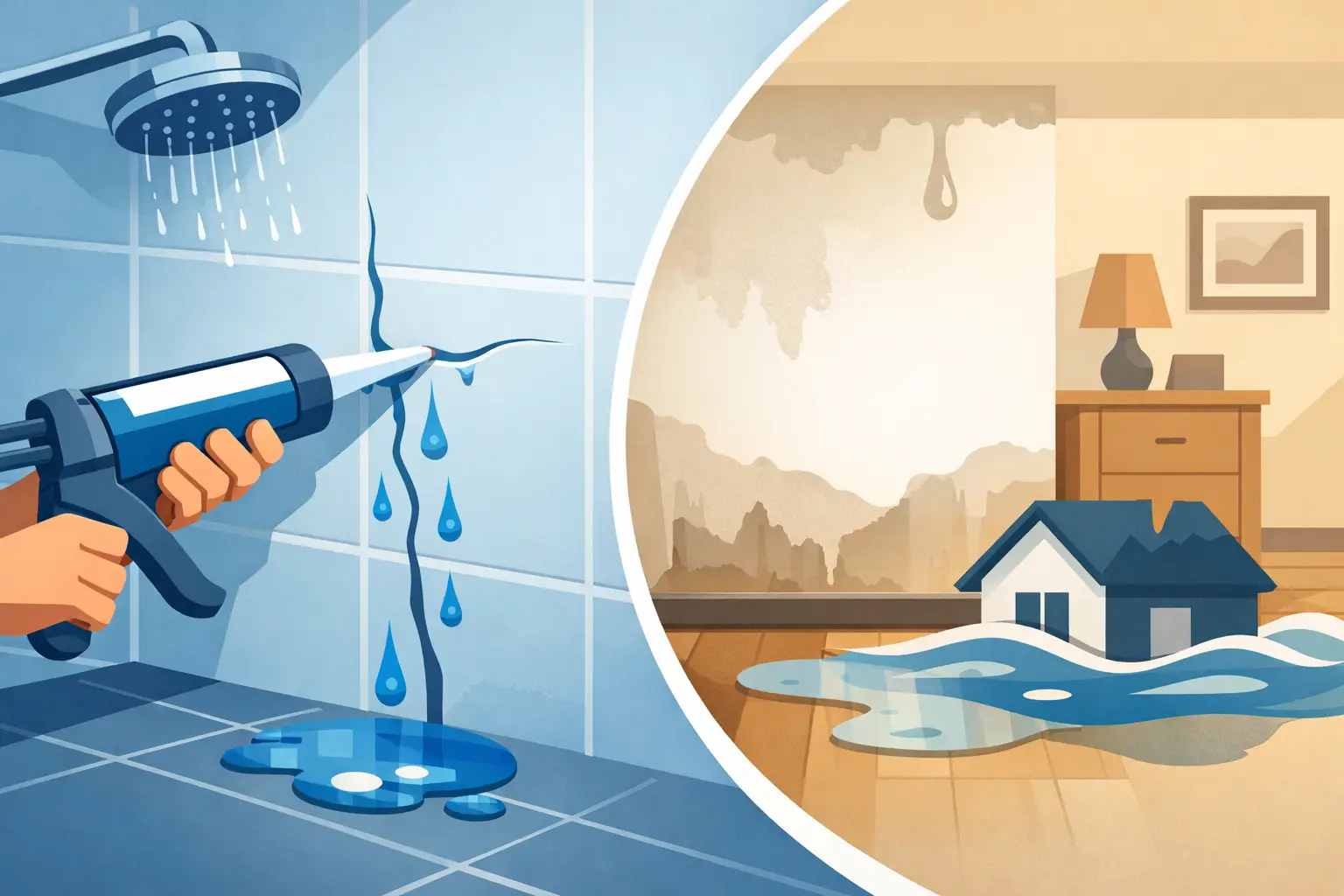
A shower leak rarely starts with a dramatic puddle on the bathroom floor. More often, it begins with a darkened grout joint, a fine crack at the wall-to-floor junction, or a patch of peeling paint in the room next door. Timely shower tile leak repair protects more than the appearance of your bathroom. It helps prevent moisture from reaching wall framing, flooring, adjoining rooms and the concealed layers that make a shower watertight.
For homeowners, landlords and property managers, the key is identifying whether the leak is coming through failed grout and sealant, damaged tiles, plumbing, or the waterproofing system behind the tiles. Each issue calls for a different repair approach. Applying more silicone over an unresolved problem may make the shower look better briefly, but it will not deliver a dependable, long-term result.
The warning signs a tiled shower is leaking
Leaks can travel before they become visible, so the damage is not always directly below the faulty area. A musty smell, persistent mould that returns after cleaning, loose tiles, bubbling paint, swollen skirting boards or staining on a nearby ceiling all warrant closer attention. In an upstairs bathroom, a leak may show up downstairs. In a ground-floor home, it may affect a shared wall or cabinetry beside the shower.
Inside the shower itself, inspect grout lines for cracking, gaps, crumbling sections and areas that remain dark long after the shower has dried. Pay special attention to internal corners, the wall-to-floor junction, around mixer taps, shower screens, niches and soap shelves. These movement points should generally be sealed with flexible sanitary-grade silicone, not rigid grout, because building materials move slightly over time.
A hollow sound when tiles are tapped, or tiles that feel loose under hand or foot, can indicate that water has affected the adhesive bed behind them. This is more than a cosmetic concern. Once tiles lose their bond, moisture has a clearer path into the wall or floor structure.
Why grout problems and waterproofing failures are different
Grout is often blamed for every shower leak, but it is not the shower’s primary waterproof barrier. Cement-based grout is porous to a degree, even when sealed. Its job is to fill and finish the joints between tiles, while the waterproofing membrane behind the tile installation is designed to manage moisture that passes through the tiled surface.
That said, failed grout and silicone can allow excessive water into the wall or floor system, speed up deterioration and create ideal conditions for mould. Where the waterproofing is sound and the tiles remain firmly bonded, professional regrouting and resealing can be an effective repair. It refreshes the finish, removes stained or degraded material and restores clean, well-defined joints.
If the membrane has failed, however, regrouting alone cannot solve the underlying leak. Signs such as widespread loose tiles, substantial water damage outside the shower, a failing shower base, or moisture readings that remain high after the area dries may point to a deeper issue. In that situation, selective tile removal or a full shower rebuild may be necessary to reinstate compliant waterproofing.
The trade-off is straightforward. A targeted grout and silicone repair is less disruptive and more economical when the tiled assembly is otherwise sound. A full rebuild costs more and takes longer, but is the correct investment when the failure sits behind the visible surface. Accurate diagnosis prevents paying twice for work.
Shower tile leak repair: choosing the right solution
A quality repair starts with investigation, not a tube of sealant. An experienced tiling specialist will assess the condition of grout, silicone, tiles, drainage, shower screen seals and adjacent surfaces. Where appropriate, moisture testing can help identify the extent of water migration without unnecessarily removing tiles.
For surface-level failures, the repair process commonly involves carefully removing deteriorated grout, cleaning the joints, treating mould where required and applying fresh grout with a consistent finish. Old silicone is cut out completely rather than sealed over. The junction is then prepared and resealed with suitable flexible silicone, creating a neat line that accommodates normal movement.
Colour matters as well as performance. Fresh grout can make an older shower look markedly cleaner, but an uneven colour match can leave the repair looking patchy. Choosing the right grout tone, joint profile and silicone colour helps the work blend with the existing tiles or gives the shower a considered, refreshed look.
Cracked or loose tiles require a more cautious approach. A single damaged tile may be replaced if matching stock is available and the surrounding installation is stable. If multiple tiles are loose, the cause must be addressed before replacement. Rebonding tiles onto a wet or compromised substrate only delays the next failure.
Where a leak is traced to plumbing, such as a pipe connection or mixer body, a licensed plumber should carry out the repair. Tiling work can then restore the wall surface and finish after the plumbing has been tested. Coordinating the right trades protects the quality of the completed repair.
When regrouting is likely to be enough
Regrouting is a strong option when tiles are secure, the shower base is sound, there is no evidence of major moisture damage beyond the shower, and the failed areas are limited to worn grout or silicone. It is particularly valuable for showers showing surface mould, discoloured joints, hairline grout cracks and tired sealant around corners or screens.
Professional preparation is what separates a durable result from a short-lived touch-up. Leaving weak grout behind, applying new material to damp joints, or using the wrong product at movement points can lead to early cracking and mould return. The shower also needs adequate curing time before use. Rushing this stage can compromise the repair before it has had the chance to perform.
When a rebuild may be the better decision
Consider a more extensive repair if tiles are drummy or loose across several areas, the shower has leaked repeatedly after previous patching, or there is visible deterioration in adjoining walls, floors or ceilings. A shower that does not drain properly can also create ongoing stress at the base and around penetrations.
A rebuild creates the opportunity to correct waterproofing, drainage falls, tile adhesion and outdated finishes at the same time. For landlords and commercial property managers, it can reduce the risk of recurring maintenance call-outs and damage claims. For homeowners planning to stay long term, it can also be the right time to improve the layout, introduce larger-format tiles or update the overall bathroom design.
Avoid the quick fixes that hide the problem
Bathroom leaks invite quick fixes, especially when a property needs to be ready for tenants, guests or an upcoming sale. Yet a few common shortcuts often create more work later. Silicone applied over old silicone does not reliably bond. New grout spread over cracked grout does not repair the joint beneath it. Waterproof coatings painted over tiles can alter the appearance, trap moisture and fail under regular cleaning and movement.
Harsh acidic cleaners are another issue. They may remove some surface staining, but repeated use can erode cement-based grout and dull certain tiles. For routine care, use a pH-neutral bathroom cleaner, rinse away residue and dry the shower where practical. Good ventilation is equally valuable. Running the exhaust fan during and after showers reduces condensation and helps joints dry between uses.
Do not ignore drainage. Water should move efficiently to the waste rather than pooling along the perimeter. Persistent pooling can be caused by soap build-up, a partial blockage, a poorly adjusted shower screen or inadequate floor falls. Even a well-regrouted shower will struggle if water is constantly sitting against its edges.
Protect the finish after repairs
Once shower tile leak repair is complete, regular inspection helps preserve the result. Check silicone lines every few months for lifting, splitting or mould growth. Look at grout after deep cleaning, when defects are easier to see without surface residue. Address a small gap early rather than waiting for staining or water damage to appear outside the shower.
For properties with several bathrooms or high guest turnover, scheduled grout and silicone maintenance is a practical way to protect finishes and plan expenditure. It also supports cleaner, more presentable bathrooms, which matters whether the space is a family home, rental property, strata common area or commercial amenity.
A1 Grouting & Tiling approaches shower repairs with the same attention given to a full renovation: precise preparation, clean joint lines, quality materials and a finish that looks right as well as performs. Where a shower is suitable for regrouting, warranty-backed workmanship offers valuable confidence that the repair has been completed with long-term performance in mind.
The best time to act is when the first signs appear. A clean, properly sealed shower is easier to maintain, more enjoyable to use and far less likely to turn a minor joint repair into a disruptive building repair.