 10 years of water leakage warranty for Regrouting showers.

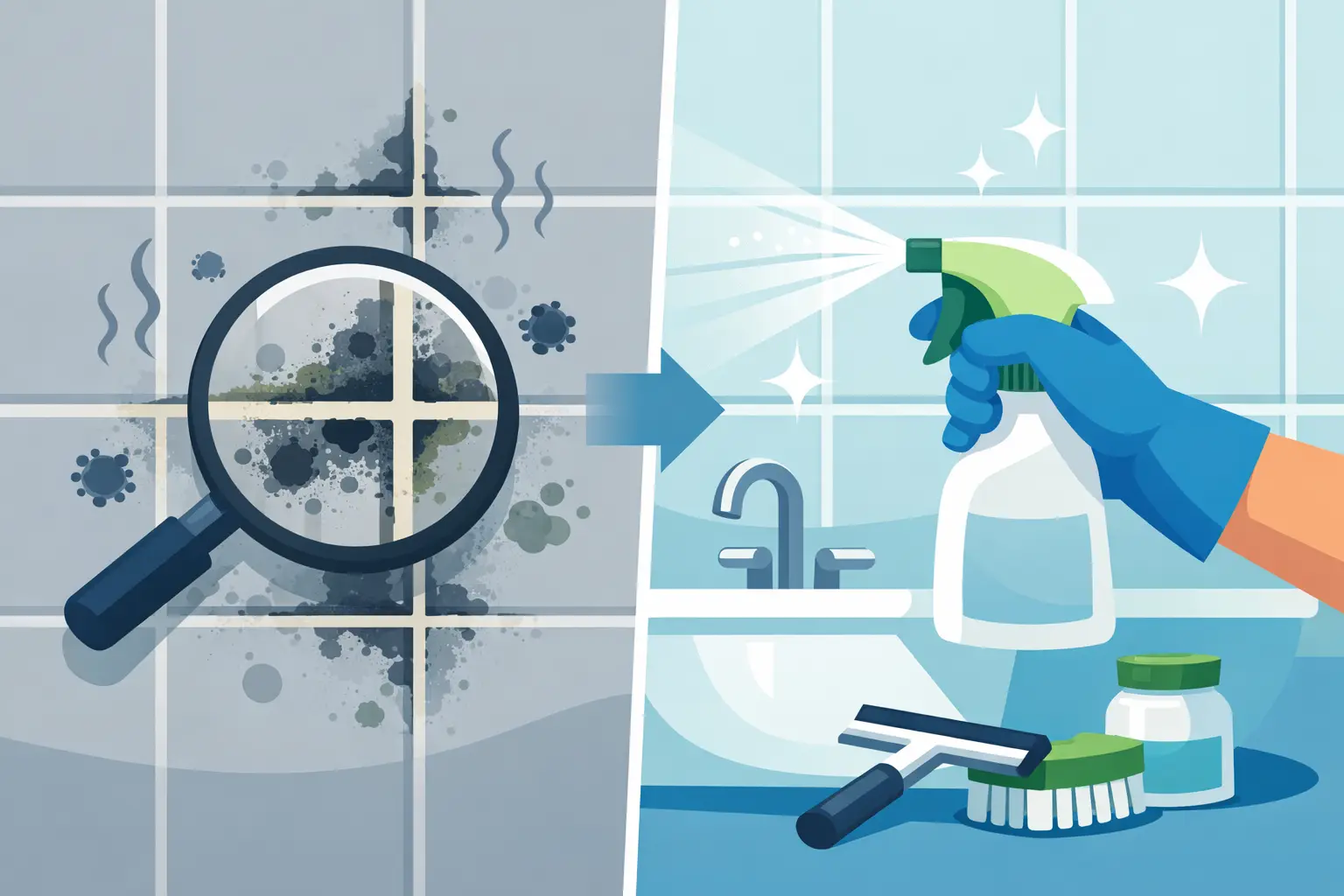
Black spotting along shower grout is rarely just a cleaning problem. It often signals trapped moisture, worn grout, poor ventilation or failing joints that need more than a quick scrub. Effective bathroom grout mould removal improves the look and hygiene of the room, but lasting results depend on addressing why mould formed in the first place.
For homeowners, landlords and property managers, that distinction matters. Cleaning can restore a bathroom’s appearance when grout is sound. Where grout is cracked, porous or breaking away, however, repeated cleaning may mask a maintenance issue that can allow water to move behind tiles.
Why mould takes hold in bathroom grout
Bathrooms create ideal conditions for mould: warmth, humidity and regular water exposure. Shower grout is particularly vulnerable because it is cement-based and naturally more porous than glazed tile. Soap residue, body oils and minerals in water can also leave a film that gives mould something to feed on.
In many bathrooms, the issue is made worse by small details that are easy to overlook. A bathroom exhaust fan that is not run long enough, a window that stays closed, towels drying in the room and shower screens left wet all keep moisture in the air. Dark grout lines then become the visible symptom.
Mould does not always mean a shower is leaking. It can occur in an otherwise sound bathroom with limited airflow. But mould combined with crumbling grout, hollow-sounding tiles, lifted silicone, persistent damp smells or water marks outside the shower deserves closer attention. Those signs suggest cleaning alone may not be the right repair.
Bathroom grout mould removal starts with the grout condition
Before selecting a cleaner, inspect the grout and silicone carefully. Healthy grout should feel firm, sit neatly between the tiles and show no major gaps or cracks. It may look stained, but it should not powder away under gentle pressure.
If the grout is structurally sound, mould can usually be treated with a suitable bathroom mould cleaner and careful scrubbing. Choose a product designed for tiled wet areas, follow the label instructions and test it on a discreet area first. Some harsh products can affect coloured grout, natural stone, metal fittings and nearby painted surfaces.
Wear gloves, ventilate the room and never mix cleaning chemicals. In particular, combining bleach with acids, ammonia or other cleaners can release dangerous fumes. A soft grout brush or old toothbrush gives better control than abrasive scourers, which can roughen the surface and make grout harder to keep clean later.
After treatment, rinse thoroughly and dry the shower area with a clean cloth. This final step is often skipped, yet it removes cleaner residue and shows whether the dark marks were surface mould or staining that has penetrated deeper into the grout.
When bleach is not the whole answer
Bleach is commonly used for bathroom mould, but it is not a complete grout restoration method. It may lighten visible marks, especially on pale grout, without resolving moisture held within porous material. Repeated bleach use can also leave residue, affect colour consistency and create a false sense that deteriorated grout has been repaired.
For isolated surface mould on sound white grout, it can be useful when applied correctly. For widespread mould, coloured grout or showers with ageing joints, a more considered approach is usually better. The goal is not simply to make grout look white for a week. It is to leave the tiled surface clean, stable and easier to maintain.
When cleaning should give way to regrouting
Regrouting removes old, stained or damaged grout and replaces it with fresh material. It is often the right solution when mould returns quickly despite regular cleaning, when grout has become porous and discoloured, or when sections are cracked and missing.
A professional assessment separates cosmetic staining from a failure in the tiled surface. Damaged grout does not always mean every tile needs replacing. In many cases, carefully removing compromised grout, preparing the joints correctly and applying new grout can transform the shower without the disruption of a full renovation.
Silicone joints deserve equal attention. The flexible seal around shower screens, walls, floors and fixtures is designed to manage movement where rigid grout cannot. If silicone is blackened, split, lifting at the edges or no longer bonded, it should be removed and replaced rather than coated over. Fresh silicone applied over failed silicone rarely provides a reliable seal or a clean finish.
For showers, workmanship is particularly important because water management sits behind the visible finish. A precise regrouting job includes tidy joints, appropriate sealing where required and clean silicone lines that complement the tile layout. A1 Grouting & Tiling provides shower regrouting with a 10-year water leakage warranty, giving property owners greater confidence in work designed for long-term performance.
A practical method for preventing mould from returning
Once the grout is clean or restored, daily habits make the greatest difference. You do not need an elaborate cleaning routine, but moisture needs a way out of the room.
After showering, use a squeegee or microfibre cloth on the glass, tiles and grout lines where practical. Run the exhaust fan during the shower and for at least 20 to 30 minutes afterwards. If there is a window, open it when weather and privacy allow. Leave the shower screen or curtain open so the area can dry rather than trapping humidity in the enclosure.
A light weekly clean is more effective than waiting for dark spots to build up. Use a pH-neutral bathroom cleaner for routine care, particularly where grout has been sealed or coloured. Avoid highly abrasive powders and aggressive acid-based products unless they are specifically suitable for the tile and grout in question. Natural stone, encaustic tiles and some decorative finishes need specialist care.
It also helps to deal with plumbing issues promptly. A dripping shower head, leaking tap or water escaping through a poorly aligned screen can keep one area constantly damp. Mould that appears only in a particular corner or along the base of a wall often points to a local moisture source rather than a general cleaning problem.
Common mistakes that shorten grout life
Scrubbing grout with steel wool, hard wire brushes or aggressive abrasive pads may remove surface marks quickly, but it can wear the grout down and leave it more open to staining. The same applies to excessive pressure washing in confined wet areas.
Another common mistake is painting over mouldy grout or applying a grout colourant without proper cleaning and preparation. These products have a place when used on stable, dry grout, but they cannot repair loose joints or stop moisture entering a failed shower edge.
Many property owners also wait too long because the problem seems cosmetic. The earlier damaged grout and silicone are repaired, the more likely the work can stay targeted. Addressing a few deteriorating joints is generally simpler than responding after water has affected surrounding walls, flooring or cabinetry.
Choosing the right level of repair
The best solution depends on what sits beneath the mould. A small patch on firm grout may only need careful treatment, better ventilation and a consistent drying routine. An older shower with extensive staining, cracks and failed silicone is more likely to benefit from professional regrouting.
For rental properties and commercial bathrooms, consistency matters as much as appearance. Clean, well-finished grout supports tenant satisfaction, presents the property professionally and reduces avoidable maintenance calls. In family homes, it also creates a bathroom that feels fresher and is easier to keep that way.
A quality repair should look considered, not patched. Even grout lines, clean tile edges and neatly finished silicone restore the visual order of a bathroom while helping protect the surfaces behind it.
If mould returns soon after cleaning, treat it as useful information rather than a reason to use stronger chemicals. A close inspection of ventilation, grout condition and shower joints can reveal the practical repair that keeps the bathroom cleaner, drier and more enjoyable to use.