 10 years of water leakage warranty for Regrouting showers.

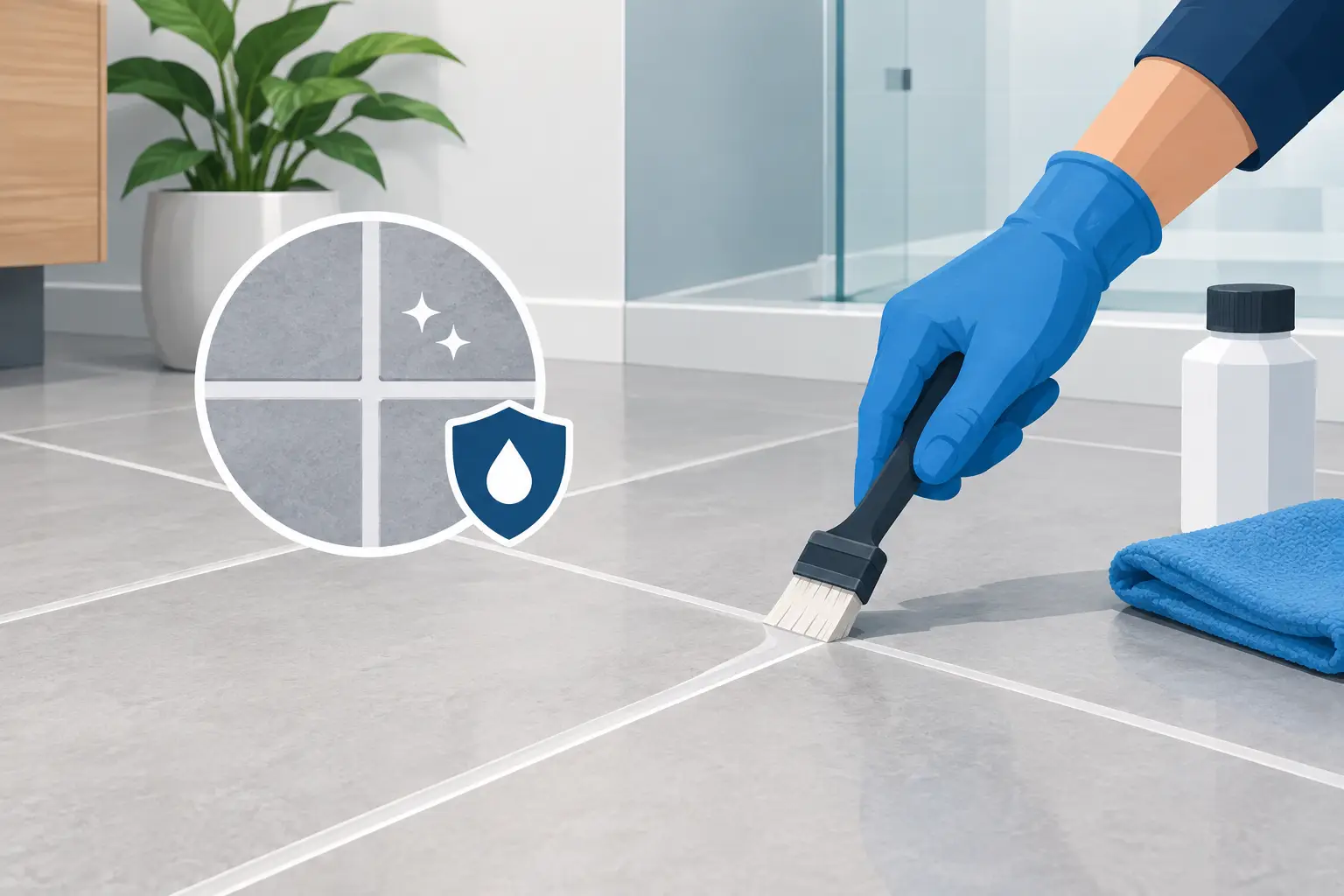
A freshly tiled bathroom can lose its polished appearance surprisingly quickly when porous grout starts absorbing water, soap residue and everyday grime. So, how often should grout be sealed? For most homes, cement-based grout benefits from resealing every one to three years, but high-use wet areas often need attention sooner. The right schedule depends on where the grout is located, how it is used and whether it is still in sound condition.
Grout sealing is a small maintenance step with a significant effect on cleanliness, colour consistency and the long-term performance of tiled surfaces. It does not replace quality installation or repair damaged joints, but it helps protect well-finished grout from staining and moisture absorption.
How often should grout be sealed?
As a practical guide, grout in a lightly used tiled wall or kitchen splashback may only need sealing every two to three years. Bathroom floors, shower walls and busy household floors generally need resealing every 12 to 18 months. Shower floors are the exception: because they receive repeated water exposure, shampoo residue and foot traffic, inspect them every six to 12 months and reseal when the water-repellent finish is no longer working.
These timeframes apply mainly to traditional cement-based grout. This is the most common grout type in residential tiling, and its naturally porous surface is why a penetrating sealer is often recommended. Epoxy grout is far less absorbent and usually does not require sealing. However, it still needs regular cleaning to prevent soap scum, mineral deposits and surface build-up from affecting its appearance.
The best answer is not a date on the calendar. It is the condition of the grout itself. A well-sealed shower that is properly ventilated and cleaned with suitable products may last longer than expected. A poorly ventilated family bathroom with daily showers may need more frequent care.
Which tiled areas need the most attention?
Not every grout line faces the same level of wear. Knowing where moisture and traffic are concentrated helps homeowners and property managers prioritise maintenance before a minor issue becomes a larger repair.
Shower floors and shower walls
Shower floors need the closest attention. Water sits around the drain, body products leave residue, and grout is regularly exposed to moisture. When a sealer wears away, the grout may darken after a shower and stay darker for longer. That is a clear sign it is absorbing water rather than repelling it.
Shower walls are less exposed to standing water, but they still benefit from sealing, especially around soap niches, taps and corners. Good ventilation, a quick wipe-down after use and regular cleaning all help preserve the finish.
Bathroom and laundry floors
Bathroom and laundry floors are exposed to splashes, wet feet and cleaning products. They are also more likely to pick up dirt through foot traffic. Resealing every 12 to 18 months is often suitable, although a busy household or rental property may need an earlier inspection.
Kitchen splashbacks and floors
A kitchen splashback typically needs less frequent sealing because it does not experience constant water saturation. Still, cooking oils, sauces and coloured food spills can stain unprotected cement grout. Sealing every two to three years helps keep pale grout looking clean and makes routine wiping easier.
Kitchen and entry floors deal with more traffic, grit and spills. These areas may benefit from an annual check, particularly where grout is light-coloured or the tile layout includes many joints.
Balconies and commercial tiled areas
External and commercial surfaces face different pressures. Balconies can be affected by weather, movement and drainage performance, while commercial floors contend with constant foot traffic and more intensive cleaning. Sealer may wear faster in these settings, but the priority is always to confirm the grout, tile movement joints and waterproofing system are in good order before resealing.
Signs your grout needs resealing
A simple water-drop test is one of the most reliable checks. Place a few drops of clean water on a grout line in a discreet area. If the water beads on the surface for several minutes, the sealer is likely still effective. If it soaks in quickly and darkens the grout, it is time to clean the area thoroughly and consider resealing.
Other signs include grout that looks patchy after getting wet, stains that are increasingly difficult to remove, or a chalky, rough surface that catches dirt. In showers, persistent discolouration can also point to soap build-up, mould growth or moisture problems rather than a sealer issue alone.
Do not apply more sealer over dirty grout in the hope of covering the problem. Sealer can lock in residue and leave an uneven result. The surface should be properly cleaned, completely dry and free of loose material before any product is applied.
Sealing protects grout, but it does not fix failed joints
This distinction matters. Grout sealer is not waterproofing, and it cannot stop leaks caused by cracked grout, failed silicone, loose tiles or a compromised shower system. It is a protective treatment designed to reduce absorption and staining at the grout surface.
If grout is cracked, crumbling, missing or repeatedly showing mould in the same areas, resealing is unlikely to provide a lasting result. The damaged material should be removed and professionally regrouted. Likewise, silicone in corners, along shower screens and around fixtures is a flexible sealant, not grout. When silicone has lifted, split or discoloured beyond cleaning, it needs replacement rather than grout sealer.
This is especially important in showers. A clean-looking surface can still conceal deteriorated joints or moisture movement behind tiles. Addressing the cause early protects both the finish and the surrounding structure.
When to seal new grout
New grout must cure before it is sealed. The exact waiting period depends on the grout product, site conditions and the manufacturer’s instructions, but many cement-based grouts require at least 48 to 72 hours of curing before a compatible penetrating sealer is applied. Some products require longer.
Rushing this stage can trap moisture in the grout or interfere with the sealer’s performance. A professional tiler or regrouting specialist will select materials that suit the tile, joint width and area of use, then allow appropriate curing time before final protection is applied.
It is also worth confirming whether the grout is pre-sealed or modified with additives. These products may still benefit from sealing in high-use wet areas, but their maintenance requirements can differ. The product specification should guide the decision rather than assumptions based on appearance alone.
A maintenance routine that keeps grout looking its best
Sealer performs better when grout is cared for between applications. Use a pH-neutral tile and grout cleaner for regular cleaning, especially in showers. Harsh acidic cleaners and abrasive powders can erode grout, dull tiles and shorten the life of a protective finish.
Ventilate bathrooms during and after showers, then remove excess water from shower glass, tiles and floors with a squeegee or microfibre cloth. This reduces the moisture and residue that encourage staining and mould. For floors, sweep or vacuum gritty debris before mopping so dirt does not wear into grout lines.
Avoid treating grout as a surface that can simply be coated again and again. Each inspection should include a close look at joints, corners, drains and tile edges. Clean grout that remains firm and intact is an excellent candidate for resealing. Grout that is loose, cracked or persistently stained needs a more considered repair plan.
Is professional grout sealing worth it?
For small, accessible tiled areas in good condition, DIY sealing can be suitable when the correct product is chosen and the preparation is meticulous. The trade-off is time and consistency. Uneven cleaning, insufficient drying or excess sealer left on tile faces can create patchiness that is difficult to correct.
Professional assessment is particularly valuable for showers, older bathrooms, large floor areas and properties with recurring mould, cracked joints or suspected leaks. A specialist can identify whether sealing is the right answer or whether regrouting, silicone replacement or tile repair will provide better long-term value. At A1 Grouting & Tiling, that means looking beyond the immediate surface to achieve a clean, durable and polished finish.
The goal is not to reseal grout on a rigid timetable. Inspect it regularly, respond when water begins soaking in, and repair failing joints before moisture and staining take hold. That approach keeps tiled spaces easier to maintain and preserves the precise finish that makes quality tiling worth investing in.