 10 years of water leakage warranty for Regrouting showers.

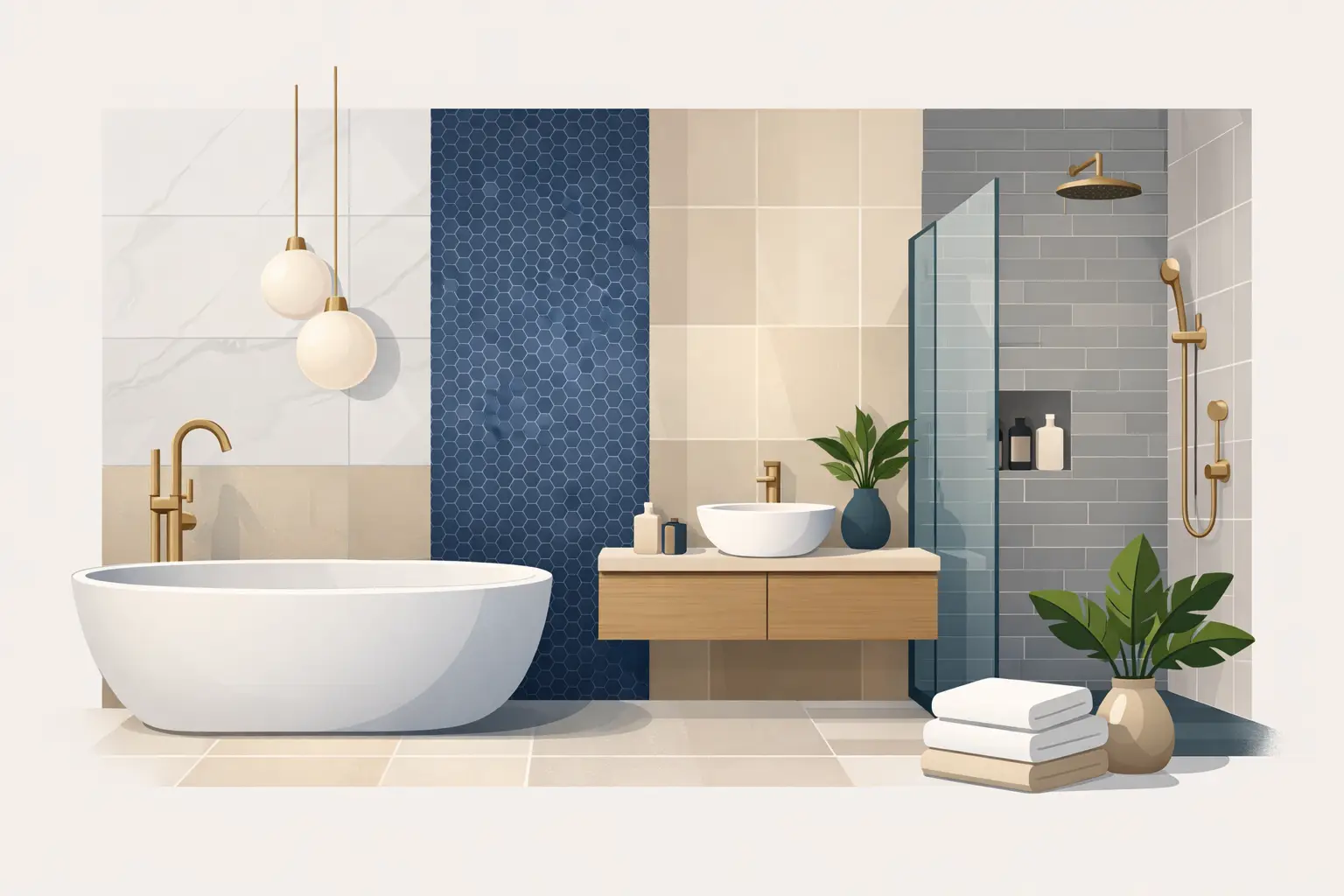
A premium bathroom is often recognised in the details first: the way light moves across a wall tile, the quiet texture beneath bare feet, and the crisp line where tile meets tapware. Luxury bathroom tile finishes are not simply about choosing an expensive material. They rely on the right surface, grout, layout and installation standard working together in a wet area that must perform every day.
For homeowners, renovators and property managers, the best result balances visual impact with cleaning requirements, slip resistance and long-term durability. A beautiful tile can lose its appeal quickly if it is poorly matched to the room or finished with uneven grout joints. Thoughtful selection and precision workmanship are what make a bathroom feel genuinely refined.
What Makes a Tile Finish Feel Luxurious?
Luxury is rarely one single finish. It is the sense that every surface has been chosen with purpose. Large-format porcelain may create a calm, uninterrupted wall plane, while handmade-look ceramic can bring softness and character to a powder room. Natural stone can offer exceptional depth and variation, but it asks more of the owner in sealing and maintenance.
The finish should also suit the bathroom’s natural light. Gloss tiles reflect light beautifully and can make a compact ensuite feel brighter. In a larger bathroom, however, too much shine can create glare and show water spots more readily. Satin, honed and matt finishes tend to feel more understated, bringing a tailored look without demanding constant polishing.
A luxury finish also feels intentional underfoot and to the touch. Smooth does not have to mean slippery, and textured does not have to look rough. The goal is a surface that offers the appropriate grip where water is present while still supporting the clean, polished design of the room.
Choosing Luxury Bathroom Tile Finishes by Area
The same tile finish will not necessarily suit every part of the bathroom. Walls, floors, shower niches and feature areas all have different practical demands. Using one material throughout can create a cohesive look, but changing the finish strategically can add depth without making the room feel busy.
Bathroom floors: elegance needs grip
Floor tiles need to manage daily moisture, soap residue and foot traffic. A matt porcelain tile is often a dependable choice because it is hard-wearing, low-porosity and available in sophisticated stone, concrete and terrazzo looks. Many premium porcelain ranges now deliver the visual movement of natural materials without the same upkeep requirements.
For shower floors, smaller-format tiles are particularly effective. More grout joints can provide additional traction and allow the surface to follow the necessary falls towards the drain. Mosaic tiles, finger tiles and small stone-look formats can make a shower floor feel detailed and considered, provided the grout colour and joint size are selected carefully.
Highly polished tiles can be striking on a floor in a low-moisture powder room. In a main bathroom or shower, they need more caution. The right finish depends on the tile’s slip rating, the household and how the room will be used. A family bathroom has different needs from a lightly used guest ensuite.
Walls: use light and scale to your advantage
Wall tiles offer greater freedom because slip resistance is not the priority. Glossy ceramic, glazed porcelain and polished stone-effect tiles can bounce light around a smaller room and give a clean, high-end result. Larger tiles with narrow grout lines can make the walls feel more expansive and reduce visual interruption.
For a more architectural finish, consider a satin or honed tile in a large format. These surfaces absorb light more gently and pair well with brushed nickel, gunmetal, brass and matte black tapware. They are particularly effective in bathrooms with warm timber vanities, curved mirrors or soft ambient lighting.
The key is alignment. Large tiles demand accurate preparation and careful setting to keep joints straight, corners neat and surfaces level. An uneven tile edge or inconsistent grout line can distract from even the most premium material.
Feature walls and niches: create detail with restraint
A feature wall behind a vanity or inside a shower niche is an ideal place for a more expressive finish. Fluted tiles, kit kat mosaics, encaustic-inspired patterns and handcrafted-look ceramics can introduce texture and personality. These finishes work best when the rest of the room is calmer.
Rather than adding multiple competing feature tiles, select one focal surface and repeat a related colour or material elsewhere. For example, a textured sage-green niche tile can be complemented by a warm off-white wall tile and a pale stone-look floor. The result feels layered, not overloaded.
The Materials That Deliver Lasting Style
Porcelain remains one of the strongest choices for luxury bathrooms. It is dense, moisture-resistant and easy to maintain, with a broad range of finishes. High-quality porcelain can convincingly replicate marble, limestone, travertine and timber while offering dependable everyday performance.
Ceramic is well suited to walls and decorative applications. Its glazed surface comes in an extensive variety of colours and forms, from crisp rectangular subway tiles to sculptural squares and artisanal shapes. Because it is generally softer than porcelain, it is usually better reserved for walls rather than high-traffic floors.
Natural stone brings genuine individuality. Marble, limestone, travertine and granite all have distinctive movement that cannot be copied exactly. Yet stone is not a set-and-forget choice. It may require sealing, pH-neutral cleaning products and periodic maintenance to protect it from etching, staining or moisture-related issues. For owners who value natural variation and are prepared for the care involved, it can be exceptional.
Glass mosaics and metallic details can add light-catching contrast in small doses. They are particularly effective in niches, splash zones and decorative borders, but should be installed with suitable adhesives and grout to ensure a durable finish in wet conditions.
Grout Is Part of the Design, Not an Afterthought
Grout has a major influence on the final appearance of a tiled bathroom. Matching grout closely to the tile creates a quieter, more continuous surface, particularly with large-format tiles. A contrasting grout can emphasise pattern and shape, which is effective for smaller tiles or feature walls.
In showers and wet areas, grout selection is also about hygiene and maintenance. Quality grout, correctly installed and properly sealed where required, helps resist staining and makes routine cleaning easier. Cracked, recessed or mould-affected grout is more than a cosmetic issue. It can allow moisture to reach areas it should not, particularly around shower joints and penetrations.
Colour should be considered realistically. Pure white grout can look crisp at handover, but it may require more frequent cleaning in a busy family bathroom. Soft grey, warm beige and tonal colours often offer a more forgiving finish while retaining a premium appearance.
Installation Is Where Premium Materials Earn Their Keep
A luxury tile finish cannot compensate for poor preparation. Bathroom surfaces must be assessed, waterproofed and prepared correctly before tiling begins. Falls in shower areas need to direct water efficiently to the waste, while tile layouts should be planned around focal points, fixtures, niches and doorways.
Precision cutting is especially important around tapware, drains, corners and vanity edges. Clean cuts, balanced tile spacing and properly finished silicone joints are the details that distinguish professional work. They also support easier cleaning and more reliable performance over time.
When renovating an existing bathroom, do not overlook the condition of the substrate and grout. Loose tiles, drummy areas, failed silicone or deteriorated shower grout should be addressed before investing in cosmetic upgrades. In some cases, expert regrouting and joint repairs can restore a bathroom’s appearance significantly. In others, a full waterproofing and tiling solution is the wiser long-term investment.
How to Keep the Finish Looking New
Premium bathrooms stay beautiful through simple, consistent care. Use a pH-neutral cleaner suited to the tile and grout, rather than harsh acids or abrasive products that can dull surfaces and damage joints. Wiping down shower walls after use reduces soap buildup and water spotting, especially on darker tiles and glossy finishes.
Ventilation matters just as much. Run the exhaust fan during and after showers, repair leaks promptly, and keep silicone joints under review. If grout begins to crack, discolour heavily or show persistent mould, arrange an assessment before a small maintenance issue becomes a larger repair.
The most successful bathroom is not the one with the most expensive tile. It is the one where every finish has been selected for the space, installed with care and maintained to protect the investment. For a result defined by precise alignment, clean grout lines and lasting performance, A1 Grouting & Tiling brings craftsmanship you can trust to every detail.